
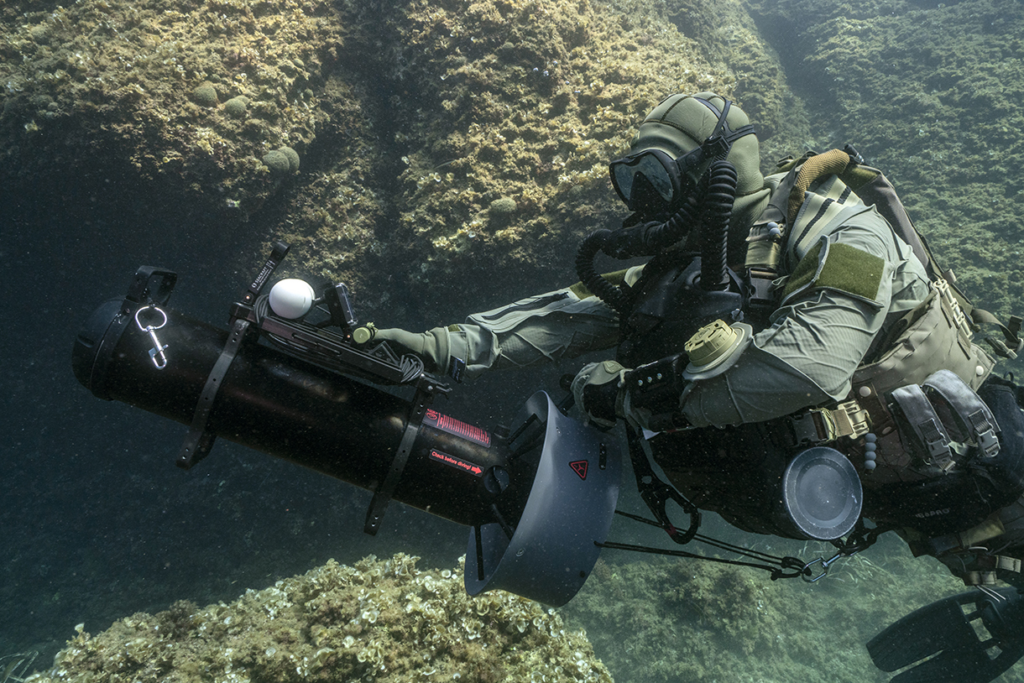
UNDER WATER SCOOTER
INTRODUCTION
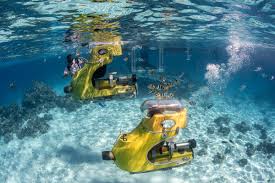
Underwater scooters are mechanically powered devices that help people move through water more easily. Its helps in underwater diving peoples who don’t known swimming. An underwater scooter also known as diver propulsion vehicle(DVP). It is a battery-powered device that helps divers move around underwater. DVP are used for recreational, scientific and military purposes. These devices let you move through water easily and quickly. You can reach far-off dive spots, save energy, and stay underwater longer. These scooters are typically used to help divers cover large areas more efficiently, conserve energy, and explore underwater environments with less effort.
HOW THEY WORK
- Motorized Propulsion: The scooter is powered by an electric motor that drives a propeller, which propels the user through the water.
- Handles and Steering: Users hold the handles and guide the scooter through the water. Some models have a trigger or throttle that controls speed, and the device is designed to be lightweight for easy handling.
- Battery-Powered: Most underwater scooters are powered by rechargeable batteries that last anywhere from 1 to 3 hours, depending on the model and usage.
BENEFITS
- Efficient Movement: They allow divers and snorkelers to move effortlessly through the water, reducing the need for continuous swimming.
- Energy Saving: By using the scooter to assist with movement, divers conserve energy, enabling them to explore more of the underwater environment.
- Enhanced Exploration: Underwater scooters are especially useful for covering larger areas of a dive site, allowing users to explore more without tiring quickly.
- Fun and Adventure: These scooters make underwater exploration a more thrilling experience, adding a sense of speed and fun.
APPLICATION
- Scuba Diving: Divers use them to explore dive sites with minimal physical effort.
- Snorkeling: Many snorkelers use underwater scooters to glide effortlessly through coral reefs and other shallow waters.
- Marine Research: Scientists and researchers use them to conduct underwater studies and surveys over large areas of the sea floor.
- Rescue Operations: In some cases, underwater scooters can be used by rescue teams to quickly access or evacuate areas.
TYPES OF UNDERWATER SCOOTER
- Recreational Scooters: These are designed for casual use by divers and snorkelers and typically have moderate speed and depth limits.
- Professional Scooters: These are higher-end models, often used by commercial divers, marine researchers, or for rescue operations. They tend to be more robust, with higher power and longer battery life.
- Portable and Lightweight Scooters: Aimed at people who want to travel and use them easily without carrying a bulky device.
TECHNOLOGIES USED
Electric Motor Technology
- Brushless DC Motors (BLDC): Most modern underwater scooters use brushless direct current (DC) motors. These motors are more efficient and reliable than traditional brushed motors because they don’t use brushes that can wear out. They also offer smoother operation and longer battery life.
- Variable Speed Control: Many underwater scooters have a variable speed control system, which allows the user to adjust the speed based on the depth and conditions. This is often achieved using an electronic speed controller (ESC) that regulates the motor’s output.
Battery Technology
- Lithium-Ion Batteries: The most common battery type used in underwater scooters is lithium-ion. These batteries are preferred because they offer a high energy density, meaning they can store more power for longer durations in a relatively small size. Lithium-ion batteries also have a long lifespan and are lighter compared to older battery types.
- Sealed Waterproof Battery Compartments: Since these scooters are used underwater, their batteries are housed in sealed, waterproof enclosures. This prevents any water from coming into contact with the electrical components.
- Battery Management Systems (BMS): A BMS is often used in underwater scooters to monitor and manage the health of the battery. This system helps prevent overcharging, overheating, and ensures efficient power distribution.
Propulsion Systems
- Propellers: The propulsion mechanism typically involves a propeller connected to the electric motor. These propellers are designed to efficiently move large volumes of water, pushing the scooter and the rider forward. The design of the propeller plays a key role in the overall speed, thrust, and efficiency of the scooter.
- Hydrodynamic Design: To maximize efficiency and reduce drag, underwater scooters are built with hydrodynamic shapes. These shapes allow the scooter to move smoothly through water with minimal resistance, optimizing speed and energy use.
Control Systems
- Throttle/Trigger Mechanism: Most scooters use a trigger or throttle to control the speed of the motor. By pulling the trigger or adjusting the throttle, the user can control the rate of propulsion. This is often connected to an electronic control system that regulates the motor’s power output.
- Smart Sensors: Some advanced models of underwater scooters come with sensors that monitor factors such as motor temperature, depth, and battery charge levels. These sensors help the system adjust to changing conditions and prevent damage.
Waterproofing and Seals
- Waterproof Casings: The scooter housing is made of durable, corrosion-resistant materials like high-grade plastics (e.g., ABS) or aluminum alloys to prevent water from entering the electronics and battery compartments.
- O-Rings and Gaskets: These rubber seals are used in the scooter’s housing to prevent water leakage and protect the internal components from corrosion.
- Pressure-Resistant Construction: Since these scooters are used at different depths, many of them are designed to withstand significant pressure from the surrounding water. The structure is engineered to handle various depths, from shallow snorkeling to deep dives.
Safety Features
- Automatic Shutoff: Some underwater scooters come with automatic shutoff features that stop the motor if the scooter is not being actively used or if it detects issues like overheating or abnormal water pressure.
- Emergency Buoyancy: Certain models have an emergency buoyancy system or an integrated flotation device that can help bring the scooter back to the surface in case of malfunction or low battery.
Connectivity and Smart Features
- Bluetooth and App Integration: Some high-end underwater scooters are now integrating Bluetooth technology, which can connect the scooter to a mobile app. This allows users to monitor battery life, speed, and other metrics in real-time.
- GPS Tracking: In some professional models, there is GPS tracking or mapping functionality to help divers and researchers navigate large underwater areas.
PROS OF UNDERWATER SCOOTER
Increased Mobility
- Faster Exploration: Underwater scooters allow users to cover large areas of underwater environments with minimal effort. This makes it easier to explore dive sites, coral reefs, or wrecks without getting tired.
- Less Effort: By providing propulsion, these scooters help divers and snorkelers conserve energy, allowing for longer underwater excursions with less physical strain.
Energy Conservation
- Reduce Fatigue: Without the need to swim constantly, users can save energy and avoid fatigue, which is particularly helpful for divers on long or deep dives.
- Extended Dive Time: With less exertion, divers can extend the time they spend underwater. This is especially beneficial for people with less stamina or for those who wish to stay longer at a dive site.
Enhanced Fun & Adventure
- Thrilling Experience: Using an underwater scooter adds a sense of speed and excitement to the underwater experience, making it feel like a fast-paced adventure.
- Easy Access to Remote Areas: It can help divers access areas that may be difficult to reach otherwise, like distant coral reefs or underwater caves.
Improved Safety for Some Users
- Assistance with Navigation: For divers who may struggle with navigation or controlling buoyancy, an underwater scooter provides assistance in getting from one location to another more smoothly.
- Emergency Use: Underwater scooters can assist in quickly reaching the surface or making a safe exit from a dive site in case of emergencies.
Ideal for Photography and Research
- Stable Movement: The smooth propulsion from a scooter allows photographers or researchers to move steadily, minimizing disturbances in the water and providing a more stable platform for underwater photography or scientific observation.
- Efficient Research: For marine scientists and underwater explorers, scooters enable faster travel to areas that need study, saving time and effort.
CONS OF UNDERWATER SCOOTER
Limited Battery Life
- Short Duration: Most underwater scooters have limited battery life, usually around 1-3 hours depending on the model. This can limit the amount of time you can use the scooter during a dive before needing to recharge or swap batteries.
- Battery Management: It’s important to carefully plan your dive to ensure you don’t run out of battery midway. Some models have indicators, but it’s still a concern for longer dives.
Weight and Bulk
- Carrying and Transporting: Underwater scooters, especially high-end or professional models, can be bulky and heavy, making them difficult to carry or transport. This can be a problem for travelers or those needing to move it between locations.
- Size Restrictions: Larger scooters can be cumbersome, especially when navigating tight spaces underwater, such as wrecks, caves, or coral reefs.
Price
- High Initial Cost: Quality underwater scooters can be expensive, particularly high-performance models. Prices can range from a few hundred to several thousand dollars, depending on the features and power.
- Maintenance Costs: In addition to the initial investment, maintenance (such as battery replacement or seal repairs) can add to the overall cost over time.
Limited Depth and Speed
- Depth Limitations: Many recreational underwater scooters have a depth limit, often around 100 meters (330 feet). While professional models may go deeper, the average recreational user may find their depth limits restrictive for certain dive locations.
- Speed Control: Though adjustable, the speed might not be fast enough for some people, especially if they’re looking for a more thrilling experience. In some cases, the scooter might be too fast for beginners to control comfortably.
Environmental Impact
- Potential Disturbance to Marine Life: The motorized propulsion can disturb marine life, especially delicate ecosystems like coral reefs. The noise and movement may scare away marine species or cause damage to fragile environments.
- Battery Disposal: The batteries used in underwater scooters, particularly lithium-ion batteries, require proper disposal to avoid environmental damage. If not disposed of correctly, they can contribute to pollution.