

TELEMEDICINE
INTRODUCTION:
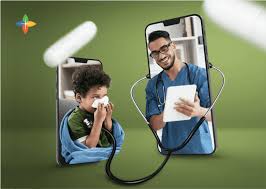
“telemedicine encompasses all of the health care, education, information and administrative services that can be transmitted over distances by telecommunications technologies”
The concept of telemedicine and telehealth could be still new to providers and physicians given the especially slow adoption of technology in healthcare.
However, the continue advances in technology and healthcare innovation has greatly expands its usability. Moreover, the demand from new generation of tech savvy population has pushed for its rapid adoption due to convenience, cost saving and intelligent features it brings.
It’s now a matter of time for healthcare system, medical group, providers and even solo practitioner integrate telemedicine as part of their medical services offering.
TYPES OF TELEMEDICINES:
Interactive Medicine
Interactive medicine, also known as “live telemedicine”, allows patients and physicians to communicate in real-time while also maintaining HIPAA compliance. Communication methods include both phone consultations and video conferences. Physicians can assess a patient’s medical history, perform psychiatric evaluations, and more using interactive medicine.
Telemedicine solutions provided by VSee ensures that interactive medicine is HIPAA compliant in two ways:
- Audio/video communication is encrypted and transferred from point-to-point. Identifiable health information is only shared on a need to know basis.
- VSee offers a HIPAA-required business agreement, which states that they are responsible for keeping all patient information secure. VSee must immediately report any breach of contract.
Store and Forward
This type of telemedicine allows providers to share patient information with a practitioner in another location. For example, a primary care physician can now share patient records and medical data with a specialist without being in the same room. Systems can transmit information across vast distances and different systems (sometimes) so one physician can know what another has already done. This leads to less duplicate testing and fewer instances of poor medication management.
Remote Patient Monitoring
Likely a favorite among patients aging in place, telemedicine permits providers to monitor their patients in their own homes. Using patient portals, a physician can gather and share information with their patient. In addition, medical devices can send vital signs and more to providers so they can make adjustments to care as needed. VSee offers their clients the following telemedicine solutions:
- EKG
- Ultrasound
- Dermatoscope
- Pulse oximeter and more!
APPLICATIONS OF TELEMEDICINE:
Chronic Disease Management
With high-tech medical devices, physicians can now monitor their patients health over long distances. Touchscreen technology allows providers to access heart rate, blood pressure, glucose levels and more through the transmission of data from one device to another.
Leading telemedicine companies like VSee, assists healthcare organizations in being able to treat patients with chronic diseases. They recognize that 75% of the United States healthcare spending is dedicated to treating heart disease, cancer, and diabetes. As a result, they’ve created telemedicine solutions that can keep physicians abreast from hospital to home. In addition, the patient, their family members, and other healthcare professionals can collaborate in the patient care process.
Today, when readings fall out of range, a physician can intervene in real time, which leads to better health outcomes.
Medication Management
Those in the healthcare industry recognize that medication management is a big deal, especially among seniors. Older adults are more likely to forget to take their medications, which is where telemedicine comes in. Providers and other healthcare professionals can use telemedicine technology to monitor when and if their patients took their medicine. As a result, this leads to fewer hospital readmissions and enhances medication compliance.
Sharing Medical Information
Those in the healthcare industry recognize that medication management is a big deal, especially among seniors. Older adults are more likely to forget to take their medications, which is where telemedicine comes in. Providers and other healthcare professionals can use telemedicine technology to monitor when and if their patients took their medicine. As a result, this leads to fewer hospital readmissions and enhances medication compliance.
Emergency Room (ER) Diversion
Without a doubt, the emergency room is one of the most expensive, overcrowded, and stressful environments in healthcare. With telemedicine, overcrowded emergency rooms can be reduced by having patients see a remote physician using video chat first. The remote physician can determine if that individual should seek care in an emergency department, which increases ED efficiency.
2nd Opinion
Today, there are telemedicine solutions that allow patients to seek a second opinion from the comforts of their home. Sending another physician copies of your medical images and more can easily be done by uploading the content to their secure website. This is very convenient for those who need a specialist but do not have the resources to drive thousands of miles away or wait a long time.
NICU/ICU
In the NICU/ICU, telemedicine can be used in a variety of ways. One approach is by using HD webcams to see the baby from different angles. High-risk infants can be seen by a specialist at another hospital by simply sharing the video within seconds. This decreases the need for infants to be transferred to another hospital, which is costly and time consuming.
Some facilities have also set-up telemedicine follow-up visits that take place one week after a baby is discharged from NICU. Hospitals that did this noticed a significant decrease in extra visits or calls from worried parents.
ADVANTAGES :
Convenience
The most obvious benefits of telemedicine is no other than bringing convenience to both patients and providers. Convenience in terms of time wasted in transportation for either providers or patients, waiting long hour outside the physician waiting room, wasted timed when patient missed appointment, patient too sick too even leave their home. We would recommend telemedicine solution which can fit into your current workflow to maximize the effect of convenience.
Cost Saving
Practically with a full suite telemedicine software, you don’t need a physical clinic to practice medicine. Telemedicine Solution like VSee Clinic literally let you run a virtual clinic from your home office, it allows patient to do scheduling, or on demand visit, providers can manage their patients with the software, where it also store their patients visit and medical history, health records, billing solution and many more.
For healthcare system, using telemedicine software means they will have to digitize some of their workflow which reduces a lot of paperwork, lost medical records and many more benefits which can translate to cost saving in monetary and human resource term.
DISADVANTAGES:
Unclear Policies
Because technology is growing at such a fast pace, it’s been difficult for policymakers to keep up with the industry. There is great uncertainty regarding matters like reimbursement policies, privacy protection, and healthcare laws. In addition, telemedicine laws are different in every state.
There are currently 29 states with telemedicine parity laws, which require private payers to reimburse in the same way they would for an in-person visit. As additional states adopt parity laws, private payers may institute more guidelines and restrictions for telemedicine services. Although it’s a step in the right direction, there is still uncertainty regarding reimbursement rates, billing procedures, and more.
Fewer Face-to-Face Consultations
Several physicians and patients are finding it difficult to adapt to telemedicine, especially older adults. Physicians are very concerned about patient mismanagement. While advances in medicine have made it more efficient to use technology, there are times when system outages occur. There is also the potential for error as technology cannot always capture what the human touch can.
Technology Is Expensive
Healthcare systems that adopt telemedicine solutions can attest that it requires a lot of time and money. Implementing a new system requires training and sometimes staff members find it difficult to welcome this change. Practice managers, nurses, physicians, and more have to learn how to utilize the system so that practices can see the benefits. Although telemedicine is expensive in the beginning, healthcare systems should see a positive return on investment over time due to more patients and less staff.