
INTODUCTION
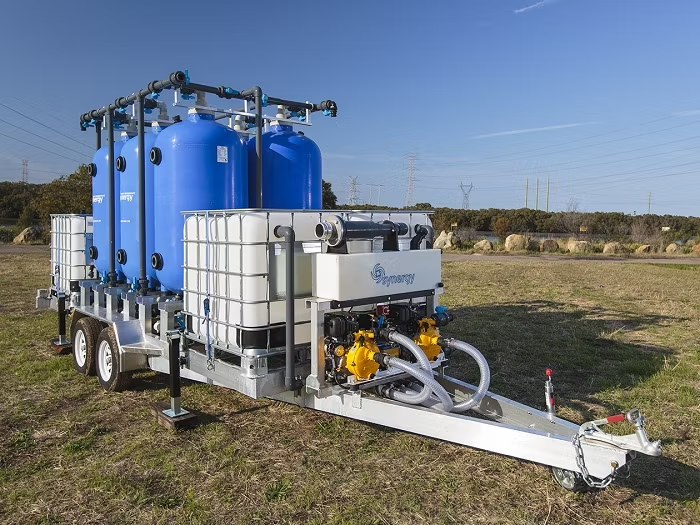
Mobile water treatment refers to portable or transportable water purification systems that are designed to treat water in various settings, especially in areas where traditional, fixed water treatment infrastructure is unavailable or damaged. These systems are used in a wide range of applications, from disaster response and military operations to remote communities and temporary installations.
KEY APPLICATION OF MOBLIE WATER TREATMENT
Emergency and Disaster Relief:
- Disaster Response: In the aftermath of natural disasters like floods, earthquakes, hurricanes, or tsunamis, access to clean water is often disrupted. Mobile water treatment units can be deployed to affected areas to provide immediate access to safe drinking water.
- Refugee Camps or Temporary Shelters: During humanitarian crises, mobile treatment units are used in refugee camps or temporary shelters where access to potable water may be scarce. These systems ensure that displaced populations have access to clean water for drinking, cooking, and sanitation.
Military Operations:
- Field Operations: Military units deployed in remote or hostile environments may lack access to local water sources that are safe for drinking. Mobile water treatment units can be used to purify water from lakes, rivers, or other natural sources, making it safe for consumption and use.
- Expeditionary Forces: Forces operating in locations where infrastructure is lacking (e.g., deserts, jungles, or mountainous regions) can benefit from the portability of these systems to sustain themselves with potable water.
Remote Communities or Industrial Sites:
- Mining, Oil, and Gas Operations: Industries that operate in remote locations often require mobile water treatment systems to supply potable water for workers or to treat water used in industrial processes. These systems can be deployed quickly to provide water treatment in temporary or mobile work camps.
- Off-Grid Communities: Communities in isolated regions or locations without access to a municipal water system can use mobile water treatment units to ensure safe drinking water, improving public health and reducing the risk of waterborne diseases.
Event and Temporary Installations:
- Festivals, Conventions, and Construction Sites: Large-scale events, outdoor festivals, and temporary work sites often need temporary water treatment solutions to provide clean water for attendees or workers. Mobile treatment units can be set up and removed as needed.
- Temporary Housing Projects: For projects that involve building temporary housing, such as for large construction projects or community redevelopment, these systems can be used to supply water during the construction phase.
TECHNOLOGIES USED IN MOBLIE WATER TREATMENT
- Filtration Systems:
- Activated Carbon Filters: These are commonly used to remove chlorine, odors, and organic compounds from water, improving its taste and safety.
- Reverse Osmosis (RO): Reverse osmosis is one of the most common technologies in mobile water treatment systems. It forces water through a semi-permeable membrane to remove dissolved salts, heavy metals, bacteria, viruses, and other contaminants.
- Ultrafiltration (UF): This process uses membranes to remove particles, bacteria, and viruses from water. It is similar to RO but with larger pore sizes, allowing more water to pass through while still removing harmful contaminants.
- Sediment Filters: These filters are used to remove larger particles such as dirt, sand, and debris from water before it undergoes more thorough purification processes.
- Ceramic Filters: Ceramic filters are commonly used in portable units due to their durability and ability to filter out bacteria, protozoa, and sediment.
- Disinfection Technologies:
- UV (Ultraviolet) Light: UV water treatment systems use ultraviolet light to kill or deactivate microorganisms such as bacteria, viruses, and protozoa, making water safe to drink.
- Chlorination: Some mobile systems use chlorine or other disinfectants to purify water, especially in situations where other treatment methods may not be sufficient or available.
- Ozonation: Ozone treatment involves using ozone gas to disinfect water. Ozone is a powerful oxidant that can kill bacteria and break down organic matter.
- Electrocoagulation: This is a process in which electrical currents are used to remove suspended solids and contaminants from water. It is often used in systems where water contains high levels of organic material or contaminants.
- Desalination (for Saltwater):
- Reverse Osmosis Desalination: Some mobile water treatment systems are specifically designed for desalination, which removes salts and other dissolved solids from seawater or brackish water to produce freshwater.
- Portable Reverse Osmosis Units (PRO):
- These systems are particularly effective for military, expedition, or disaster relief purposes, as they can desalinate and purify water from rivers, lakes, or other sources, making it drinkable for large numbers of people.
PROS OF MOBLIE WATER TREATMENT
- Rapid Deployment:
- Mobile water treatment systems can be quickly deployed in emergency situations, making them ideal for disaster relief, humanitarian aid, or military operations. They provide immediate access to clean water in areas where infrastructure is damaged or lacking.
- Portability and Flexibility:
- These systems are portable, allowing them to be transported to various locations. Whether it’s a remote village, a temporary camp, or a disaster zone, these units can be moved and set up as needed, providing flexibility in responding to different needs.
- Cost-Effective for Short-Term Use:
- Mobile water treatment units are often more affordable than building permanent water treatment infrastructure. They offer a cost-effective solution for short-term or temporary needs, such as during construction projects, festivals, or emergency situations.
- Versatile in Various Environments:
- Mobile systems can treat water from different sources, including rivers, lakes, and wells, making them highly versatile in areas with varying water availability or quality. This adaptability is especially valuable in remote or disaster-stricken areas where clean water may not be readily available.
- Non-Dependency on Local Infrastructure:
- Mobile water treatment systems operate independently of local infrastructure, meaning they are useful in places without reliable water supply systems. This makes them ideal for disaster zones, refugee camps, or areas with poor or no water infrastructure.
- Improved Public Health:
- Access to clean, potable water helps prevent the spread of waterborne diseases (e.g., cholera, typhoid, dysentery), improving public health and reducing the risk of outbreaks in affected communities.
- Sustainable in Remote Locations:
- These systems can function off-grid, using renewable energy sources like solar power or diesel generators, ensuring water treatment capabilities even in remote areas where electricity may not be available.
CONS OF MOBLIE WATER TREATMENT
- Limited Capacity:
- Mobile water treatment units generally have a limited capacity compared to large-scale, permanent water treatment plants. They may be unable to provide enough water for large populations or long-term use without needing to be serviced or refilled.
- High Operating Costs (in some cases):
- Advanced systems like reverse osmosis or desalination have high energy and maintenance costs, which can be prohibitive, especially in areas without easy access to power or resources. Consumables like filters and membranes must be regularly replaced, which adds to operational expenses.
- Energy Demands:
- Many mobile treatment units, especially desalination or reverse osmosis systems, require a significant amount of energy. In remote or off-grid locations, securing reliable energy (such as through generators or solar panels) may be challenging, adding complexity to the operation.
- Maintenance and Repairs:
- Mobile units require regular maintenance to keep them running smoothly. In remote or disaster-affected areas, obtaining spare parts or qualified personnel to perform repairs can be difficult, leading to extended downtime if the system malfunctions.
- Water Source Quality Variability:
- The effectiveness of a mobile water treatment system depends on the quality of the water source. Contaminants in the source water, such as heavy metals, high salinity, or microorganisms, may require additional pre-treatment or specialized equipment, complicating the process.
- Environmental Impact:
- While mobile units are portable, they may still have environmental impacts, such as the energy consumption associated with the treatment process or the disposal of waste by-products, like concentrated brine from desalination.
- Temporary Solution:
- These systems are often seen as temporary solutions. While they are effective for short-term needs, they may not be sustainable or adequate for providing long-term clean water to communities. For long-term water security, permanent infrastructure may be necessary.