
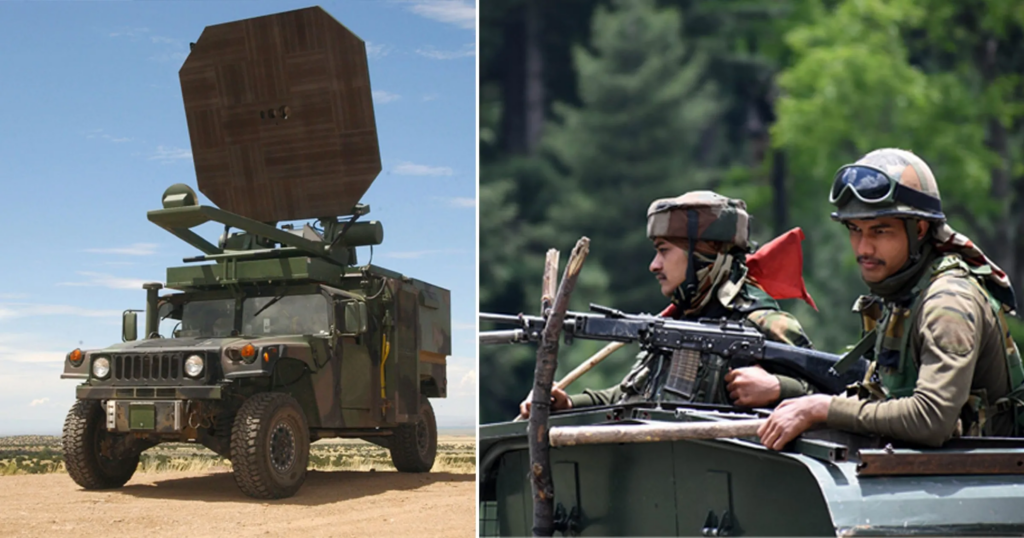
INTRODUCTION
Microwave weapons are a type of directed energy weapon that use high-powered microwave (HPM) energy to disrupt or damage electronic systems, and in some cases, cause harm to humans. These weapons work by emitting concentrated microwave radiation at a target, which can interfere with electrical circuits, disrupt communication systems, or even cause physical effects. they are a type of directed energy weapons that can damage humans, electronic system
How They Work:
Human Effects: High-intensity microwave energy can cause a sensation of heat or discomfort when directed at a person, and in extreme cases, can lead to burns, nerve damage, or other physical harm. Some reports suggest that these weapons can also cause disorientation, headaches, and other symptoms.
Microwave Radiation: Microwaves are a type of electromagnetic wave, similar to radio waves, but with a shorter wavelength. In a microwave weapon, a device generates powerful microwaves that can be directed at a target.
Disrupting Electronics: The energy from the microwaves can overload or damage sensitive electronics, such as computers, radar systems, or communication devices, by causing a surge in the electrical circuits.
Applications:
Military Use: Microwaves are seen as a potential tool for military applications, particularly in non-lethal crowd control or disabling enemy electronics. The U.S. military has reportedly used microwave technology for purposes like disabling electronics on enemy drones or vehicles.
Crowd Control: The U.S. military’s Active Denial System (ADS), for example, uses millimeter-wave technology (a type of microwave) to create a burning sensation on the skin to deter crowds or individuals without causing permanent harm. It’s intended as a non-lethal means to disperse crowds.
Electronic Warfare: In addition to targeting humans, microwave weapons can also be used to interfere with or disable enemy communication, radar, or guidance systems, potentially disrupting military operations.
MICROWAVE WEAPONS ARE USED
Military Applications:
- Electronic Warfare: Microwave weapons can be used to disrupt or destroy enemy electronics. These can include communication systems, radar, missiles, and other electronics vital for military operations. By directing powerful microwave energy at these devices, they can be rendered inoperable, which gives a strategic advantage without needing physical destruction.
- Anti-Drone Defense: Microwave weapons are also employed in counter-drone technology. They can disable or jam the electronics of drones, causing them to lose control or crash, making them effective in neutralizing drone threats.
- Non-lethal Crowd Control: Military forces can use microwave weapons for non-lethal crowd control, as seen with systems like the Active Denial System (ADS), which uses millimeter-wave technology. These systems cause an intense heating sensation on the skin, effectively repelling crowds without causing permanent harm. The U.S. military tested this technology for use in conflict zones or to maintain control in large-scale public protests.
- Directed Energy Weapons: The U.S. and other militaries have experimented with directed energy weapons, which use microwaves or lasers to incapacitate or destroy targets with precision and speed. These could be used for disabling vehicles or aircraft at long distances.
2. Law Enforcement and Civilian Control:
- Crowd Control (Non-lethal Use): Law enforcement agencies could potentially use microwave weapons to disperse crowds during riots or protests without causing lasting harm. These weapons aim to create a sensation of extreme discomfort, compelling people to move away. While the technology is still under development and limited in its deployment, it’s seen as a less lethal option compared to traditional crowd control methods like rubber bullets or tear gas.
- Border Security and Surveillance: Some research has focused on using microwave technology for border security or to stop unauthorized vehicles from crossing borders or checkpoints. The system can disable vehicle engines remotely, ensuring that targets do not escape without the need for physical intervention.
3. Covert or Directed Attacks (Controversial and Speculative):
- Espionage and Targeted Attacks: There have been claims, particularly after incidents like the Havana Syndrome, that microwave weapons have been used in covert attacks. In these cases, diplomats or intelligence officers reported unusual symptoms such as headaches, dizziness, or auditory sensations, potentially linked to directed energy. While the exact cause remains unclear, the possibility that microwave weapons or similar directed energy technologies were used in these incidents has been raised.
- Covert Surveillance: In some cases, directed energy weapons could also be used for surveillance or other covert operations, though this is speculative and not widely confirmed in the public domain.
4. Research and Development:
- Electromagnetic Defense Systems: Some countries are researching how microwave weapons can be integrated into missile defense systems, where they could be used to disable incoming threats or incoming projectiles by targeting their electronic systems or guidance systems.
- Technology Experimentation: Governments and defense contractors have been experimenting with various microwave-based systems to develop new forms of defense or attack technology. This includes the development of microwave-based weapons for anti-satellite purposes or electromagnetic pulse (EMP) devices, which could disable electronic infrastructure without physical damage.
5. Terrorism or Malicious Use (Speculative):
- Although rare, there is concern about the potential misuse of microwave weapons by non-state actors or terrorists. If such technologies become widely available or are miniaturized, there is the possibility that they could be used for malicious purposes, such as disrupting infrastructure or harming individuals.
TECHNOLOGIS USED IN MICROWAVE WEAPONS
Microwave Generation:
- Magnetrons: Magnetrons are a type of vacuum tube that generates microwave energy. They’re commonly used in microwave ovens but can also be scaled up for weaponry. Magnetrons work by using a magnetic field to control the movement of electrons, generating high-frequency microwaves.
- Klystrons: Another device used to generate high-powered microwaves. A klystron is a type of vacuum tube that amplifies radio-frequency (RF) microwave signals. Klystrons are often used in high-power microwave (HPM) systems, especially when large amounts of microwave energy need to be generated and directed at a target.
- Traveling Wave Tubes (TWTs): Similar to klystrons, TWTs amplify microwave energy. They are often used in high-power applications, such as radar systems and satellite communications, and can be adapted for use in microwave weapons.
2. Microwave Focusing and Directional Systems:
- Phased Array Antennas: These are specialized antennas that can focus and steer microwave beams electronically without physically moving the antenna. They are used to direct the microwave energy at specific targets. By adjusting the phase and timing of the signal sent by different antenna elements, the beam can be steered rapidly over large areas or fixed on a specific point.
- Parabolic Reflectors: These are large, curved dishes that focus the microwave energy into a concentrated beam. In microwave weapons, they can be used to direct energy over a long distance with high precision. Parabolic reflectors are also used in radar and satellite communications.
- Lens and Waveguides: A lens system, like those in optical systems, can be used to focus microwave radiation into a more concentrated form. Waveguides are channels that guide the microwave energy in a specific direction, helping focus the energy and prevent it from dispersing.
3. High-Power Microwave (HPM) Technology:
- Pulsed Power Systems: Microwave weapons often use pulsed power systems that discharge microwave energy in rapid bursts or pulses. Pulsed microwave energy can cause sudden spikes in electrical circuits, disabling electronics and increasing the overall power and effectiveness of the weapon. This is especially useful for electronic warfare applications, where short bursts of high-intensity energy can disrupt communications or radar.
- Energy Storage Capacitors: In systems that require high power in short bursts (like HPM weapons), capacitors are used to store energy. These capacitors can rapidly discharge their stored energy to power the microwave-generating devices. The stored energy is typically released in short, intense pulses, maximizing the impact on electronic targets.
- EMP (Electromagnetic Pulse) Generation: Some microwave weapons are designed to generate an EMP, which is a burst of electromagnetic radiation capable of damaging or destroying electronic circuits. This is typically achieved by focusing high-power microwave pulses at a target to induce a surge of current, damaging electronics.
4. Thermal and Biological Effects Technologies:
- Microwave Absorption: At high power, microwaves can be absorbed by materials, including biological tissue. This absorption generates heat, which is why microwave weapons can cause a sensation of burning on the skin or even deeper tissue damage if the power is high enough. The ability to selectively target biological tissues relies on the understanding of how different materials absorb microwave energy.
- Thermal Imaging and Feedback Systems: Some microwave weapons may incorporate thermal imaging systems to track targets and adjust the power or focus of the microwave energy in real time. This ensures that the energy is directed precisely to where it will have the most impact, such as on electronics or in crowd control situations.
5. Control and Targeting Systems:
- Autonomous or Remote Control: Microwave weapons can be operated manually or autonomously. In military applications, the targeting system can be controlled by a human operator or integrated into automated defense systems that respond to perceived threats. For example, microwave weapons could be mounted on drones or vehicles and autonomously directed at enemy electronics or incoming missiles.
- Tracking and Detection Systems: Some microwave weapons are equipped with radar, infrared sensors, or other tracking technologies to lock onto specific targets. These sensors help track the movement of the target and ensure that the microwave beam stays focused on it.
- Software and AI: Artificial intelligence (AI) and software algorithms can be used to optimize the targeting and timing of microwave weapons. AI systems can analyze the environment, identify targets, and adjust the weapon’s settings to ensure maximum effectiveness. For example, in counter-drone applications, AI can be used to recognize and disable drones in real-time.
6. Cooling and Power Systems:
- Heat Management: Generating high-power microwaves generates significant amounts of heat. Specialized cooling systems are required to prevent damage to the weapon’s components. These systems include heat sinks, liquid cooling, and forced air systems to keep the equipment operating at optimal temperatures.
- Power Supply: Microwave weapons require significant amounts of electrical power, especially in military applications. This often means integrating robust power supply systems, such as high-capacity batteries, generators, or even nuclear reactors for large-scale applications. In mobile systems, such as vehicles or drones, the power supply must be portable and efficient.
PROS OF MICROWAVE WEAPONS
- Non-Lethal Crowd Control:
- Reduced Risk of Fatalities: Microwave weapons, especially systems like the Active Denial System (ADS), are designed to be non-lethal while still being effective in dispersing crowds or individuals in high-tension situations. They cause intense discomfort without causing permanent injury, unlike traditional crowd control methods (e.g., rubber bullets or tear gas) which may lead to lasting harm or fatalities.
- Precise Targeting: These weapons can target specific individuals or groups without collateral damage. For instance, they can focus on specific targets like vehicles or equipment, avoiding harm to nearby people.
- Effective Disruption of Electronics:
- Disabling Enemy Systems: In military applications, microwave weapons can disable or damage enemy electronics without the need for physical destruction. This could neutralize communication systems, radar, or guidance systems, leaving enemy forces vulnerable.
- Counter-Drone Capabilities: They can be used to disable drones by jamming or frying their circuits. This is especially useful in defense against drones used for surveillance, reconnaissance, or even attacks.
- Precision and Long-Range Capabilities:
- Targeting from a Distance: Microwave weapons can be operated from a distance, potentially disabling targets at ranges of several kilometers, depending on the power and type of the system. This allows for engagement without close proximity to the target, reducing the risk to the user.
- Focused Energy: The microwave energy can be highly focused, making it possible to selectively target specific systems or individuals with minimal risk of collateral damage.
- Less Risk of Physical Harm (for Non-lethal Use):
- Less Physical Injury: Unlike traditional weapons (e.g., firearms or explosives), microwave weapons don’t rely on physical projectiles or explosives, meaning they’re less likely to cause lethal injuries or long-term physical damage, making them suitable for law enforcement or riot control.
- Potential for Anti-Satellite and Space Defense:
- Space Defense: There’s potential for microwave weapons to disable or disrupt satellites, space systems, or incoming projectiles, offering a new layer of defense in space warfare.
CONS OF MICROWAVE WEAPONS
Health Risks (For Humans):
- Potential for Physical Harm: While microwave weapons are designed to be non-lethal, exposure to high-power microwaves can cause discomfort, burns, and even long-term tissue damage. At higher intensities, they could have serious health effects, including nerve damage, eye injuries, or even organ damage.
- Unknown Long-Term Effects: The long-term biological effects of high-powered microwave exposure, particularly with prolonged or repeated use, are not fully understood. These effects may pose significant health risks to both military personnel and civilians.
Risk of Unintended Harm:
- Collateral Damage: Although microwave weapons can be precisely targeted, there is still the risk of unintended damage, especially in crowded environments. Inadvertently directing energy at unintended targets (e.g., electronic infrastructure, nearby vehicles, or civilians) can cause widespread disruption or harm.
- Environmental Impact: High-powered microwave emissions could also have environmental consequences, potentially disrupting wildlife or causing harm to ecosystems.
Ethical Concerns:
- Use in Covert Attacks: There are ethical concerns surrounding the use of microwave weapons in covert or targeted attacks. For example, allegations have surfaced regarding the use of microwave-based technologies in incidents like the Havana Syndrome. Such weapons, if misused, can cause harm without leaving a clear trace, making it difficult to hold perpetrators accountable.
- Humanitarian Concerns: The potential use of microwave weapons for crowd control or during conflict raises humanitarian concerns, as they could be deployed in ways that cause unnecessary suffering or escalate violence.
Vulnerability to Countermeasures:
- Counter-Technology: Microwave weapons, while powerful, are not immune to countermeasures. Some electronic systems could be hardened against microwave attacks, and targeted individuals or systems may develop shielding or countermeasures to reduce the effects of microwaves. In these cases, microwave weapons might lose effectiveness.
- Jamming of Microwave Weapons: The microwave weapon systems themselves could be vulnerable to jamming or disruption. If adversaries can deploy counter-jamming technologies, the microwave weapon could be rendered useless.
High Power Requirements:
- Energy Consumption: High-powered microwave weapons consume large amounts of energy, which can be difficult to sustain in field conditions. This limits their use, particularly in mobile or small-scale applications. Adequate power generation (e.g., generators or large batteries) is required for effective operation, which could limit the practicality of these systems in certain environments.
- Bulk and Weight: The size and weight of microwave weapon systems, especially in military applications, can be cumbersome. The larger systems that can generate enough power to disable enemy electronics or vehicles can be heavy and less portable, limiting their use in some tactical situations.