
Hypersonic flight technology enables vehicles to travel at speeds of Mach 5 or higher, which is over a mile per second. Hypersonic flight is challenging because of the extreme heat and speed, and requires advanced engineering and materials.
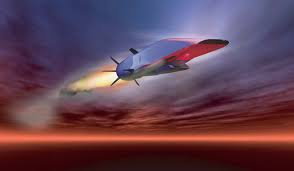
WORKING
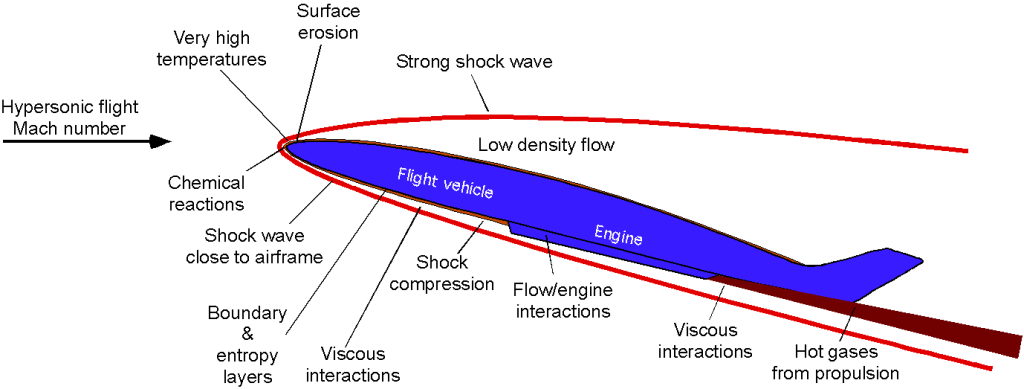
- Scramjets: A variant of the ramjet, scramjets compress air, mix it with fuel, and ignite the mixture. They have no moving parts, making them simpler and potentially more reliable.
- Rocket engines: Provide the high thrust needed to reach hypersonic speeds quickly. However, they are less efficient for sustained flight within the atmosphere.
- Combined-cycle engines: Combine elements of turbojet, ramjet, and scramjet technologies.
ADVANTAGE:
- High Speed:The ability to travel at speeds significantly exceeding Mach 5 enables rapid deployment and quick arrival times, particularly beneficial for military operations.
- Maneuverability:Hypersonic vehicles can potentially maneuver more readily than traditional missiles at high speeds, making them harder to intercept.
- Stealth Potential:Flying at low altitudes can make hypersonic vehicles harder to detect by radar, enhancing stealth capabilities.
- Global Reach:Rapid travel across long distances could enable faster response times for military operations or potential civilian applications like rapid transportation.
DISADVANTAGE:
- Extreme Heat Generation:The high friction from air at hypersonic speeds produces immense heat, requiring specialized materials and advanced cooling systems to protect the vehicle’s structure.
- High Development Cost:Designing and building hypersonic vehicles is technologically complex and expensive due to the need for advanced materials and propulsion systems.
- Limited Range:High fuel consumption at hypersonic speeds can limit the range of such vehicles.
- Environmental Impact:Hypersonic flight could potentially contribute to increased atmospheric pollution and noise depending on the propulsion system.
- Operational Challenges:Precise control and navigation at hypersonic speeds are challenging, requiring advanced flight control systems.
APPLICATION:
1.Military
- Global reachHypersonic vehicles can quickly reach military targets anywhere in the world.
- Air-launched offensive anti-surface warfareCarrier-based aircraft can use hypersonic flight to strike surface targets from a distance.
- Hypersonic glide vehiclesThese vehicles can evade missile defense systems by switching to hypersonic flight as they re-enter the atmosphere.
2.Space
- Access to space: Hypersonic vehicles can access space from military bases that survive an initial attack.
- Repair and replace satellites: Hypersonic vehicles can access space to repair or replace satellites.
3.Travel
- Earth-to-earth travel: Hypersonic vehicles could create a new way to travel across continents.