
INTRODUCTION
Electric Dusted Fan Propulsion is a relatively novel concept in the field of propulsion technology, though it doesn’t refer to a widely recognized mainstream technology. However, based on a breakdown of the terms, we can infer that it could involve an electric fan (a type of air-moving device) combined with some form of dust or particles being used for propulsion in specific applications.
CONCEPT INVOLVED
- Electric Fan:
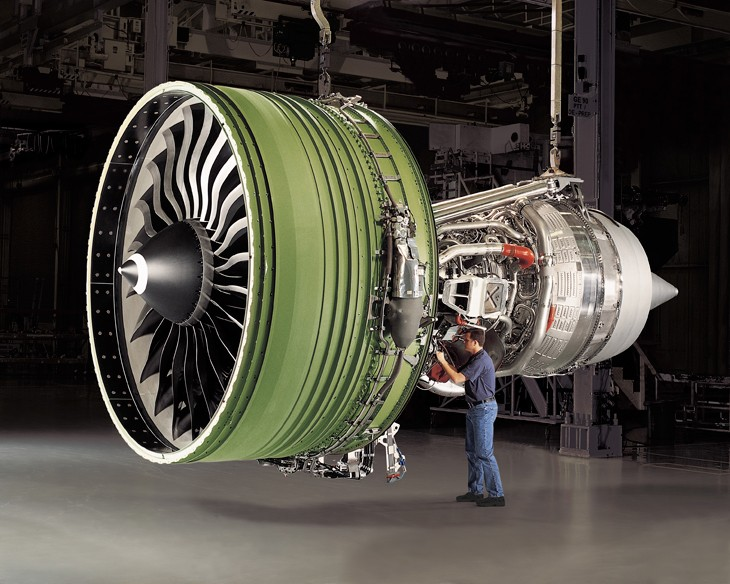
- Electric fans are devices that use electric motors to move air or gases, typically with blades. They are often used for cooling or ventilation purposes. In propulsion systems, electric fans are utilized to generate thrust by moving air or gases rapidly, much like how a propeller or turbine works, but with a direct electric motor driving the fan blades.
- Dust or Particle-Based Propulsion:
- Dust or particles can be used in propulsion technology in certain niche areas. For example, in plasma propulsion or ion thrusters, ions (charged particles) are accelerated to create thrust in space. While “dust” in a propulsion system is not a common mainstream method, there are instances where particles, vapor, or even ionized gases are manipulated for thrust. In industrial or scientific settings, dust could refer to micro-particles used in a mechanism for propulsion or an effect similar to dust propulsion in experimental vehicles or systems.
APPLICATIONS
- Environmental Control in Closed Systems:
- It could be used in clean environments, such as factories, research labs, or space stations, where dust particles need to be moved or controlled without compromising air quality. Electric-powered fans could be used to manage the movement of particles, potentially assisting in propulsion if combined with advanced filters or ionization.
- Electric Aircraft Propulsion:
- There may be an innovative attempt to utilize electric fan systems with particles to contribute to creating lift or thrust, especially in smaller, specialized aircraft. In such a concept, dust could help manipulate air currents to enhance the efficiency of the fan or propulsion system.
- Experimental Vehicle Design (Earth and Space):
- In futuristic or experimental vehicles, dust could be used in propulsion systems, perhaps in vacuum environments (such as space) where traditional fans or turbines cannot operate in the same way as on Earth. If you think of dust clouds in space (e.g., asteroid fields or cosmic dust), an electric fan system might be designed to use dust for a propulsion system in a creative, energy-efficient manner, though this would be highly experimental.
CHALLENGES AND LIMITATIONS
Efficiency Issues:
Adding dust or particles into a propulsion system could create inefficiencies. Particle-based propulsion could cause the system to become clogged, increase wear on fan blades, or reduce the overall thrust to weight ratio of the vehicle.
Controlling Dust Movement:
Managing the movement of dust particles in a controlled manner could be tricky. If the particles are too fine or abundant, they could clog filters or fans, reducing performance. Also, excessive dust could lead to increased wear and tear on mechanical parts.
Environmental Concerns:
In environments where dust is being actively moved or manipulated (e.g., in urban settings), there could be concerns about creating dust storms, affecting air quality, or causing health hazards for people.
Energy Consumption:
Operating electric fans in a dust-filled environment, especially if particles need to be manipulated in unique ways, could lead to increased energy demands, making the system less sustainable or practical.
PRO OF ELECTRIC DUSTED FAN PROPULSION
- Energy Efficiency (in specific contexts):
- Electric fans are generally energy-efficient compared to traditional combustion-based propulsion methods. In theory, using electric propulsion with dust manipulation might reduce the need for fuel-based systems, making it an energy-efficient option in specialized applications like small vehicles or remote systems.
- Lightweight:
- Electric fan systems tend to be lighter than more traditional propulsion systems, such as gas turbines or jet engines. For applications in vehicles or drones where weight is a concern, this could be beneficial for better overall efficiency and performance.
- Flexibility in Specific Environments:
- Electric propulsion systems could be versatile in certain environments, like space or cleanrooms, where traditional propulsion is less effective or practical. By using dust manipulation or particle-based propulsion, these systems could offer a new way to maneuver or stabilize in unique conditions.
- Cleaner, Non-Combustion Technology:
- Using electric-powered systems in propulsion can be cleaner than combustion-based methods, producing less pollution and requiring no fossil fuels. If dust particles are used in a controlled manner, this could offer a more eco-friendly alternative in some applications.
- Potential for Novel Applications:
- Experimental/innovative systems could create new propulsion or stabilization technologies. For example, dust could be used in a controlled manner to assist in fine-tuning airflow or as part of a low-impact, highly customizable propulsion system for specific uses (e.g., drones, exploration rovers).
CONS OF ELECTRIC DUSTED FAN PROPULSION
- Efficiency Challenges with Dust:
- The addition of dust or particles into the propulsion system could reduce overall efficiency. Dust might clog the fan blades or disrupt airflow, leading to a loss of thrust, making the system less effective over time and possibly requiring more maintenance.
- Wear and Tear on Components:
- The continuous movement of dust particles could increase wear and tear on the fan blades or other mechanical components. Fine particles might cause abrasion or build up in critical parts, leading to more frequent repairs or part replacements.
- Limited Practical Applications:
- The concept of dust propulsion is highly theoretical and may only work in very specific, niche environments. It may not be suitable for general-purpose transportation or mainstream propulsion systems due to its limited applicability and unproven potential.
- Dust Contamination and Health Hazards:
- If dust is being used or moved through an electric fan system in large quantities, it could create environmental or health hazards. For instance, air quality could be negatively affected, or the dust might create issues for sensitive equipment in certain applications (e.g., electronics, cleanrooms, or medical devices).
- Energy Demands:
- While electric fans are generally energy-efficient, the manipulation of dust or particles could introduce additional energy demands. For example, controlling the movement of dust in a specific way might require extra energy input, reducing the overall benefit of using an electric propulsion system in the first place.