
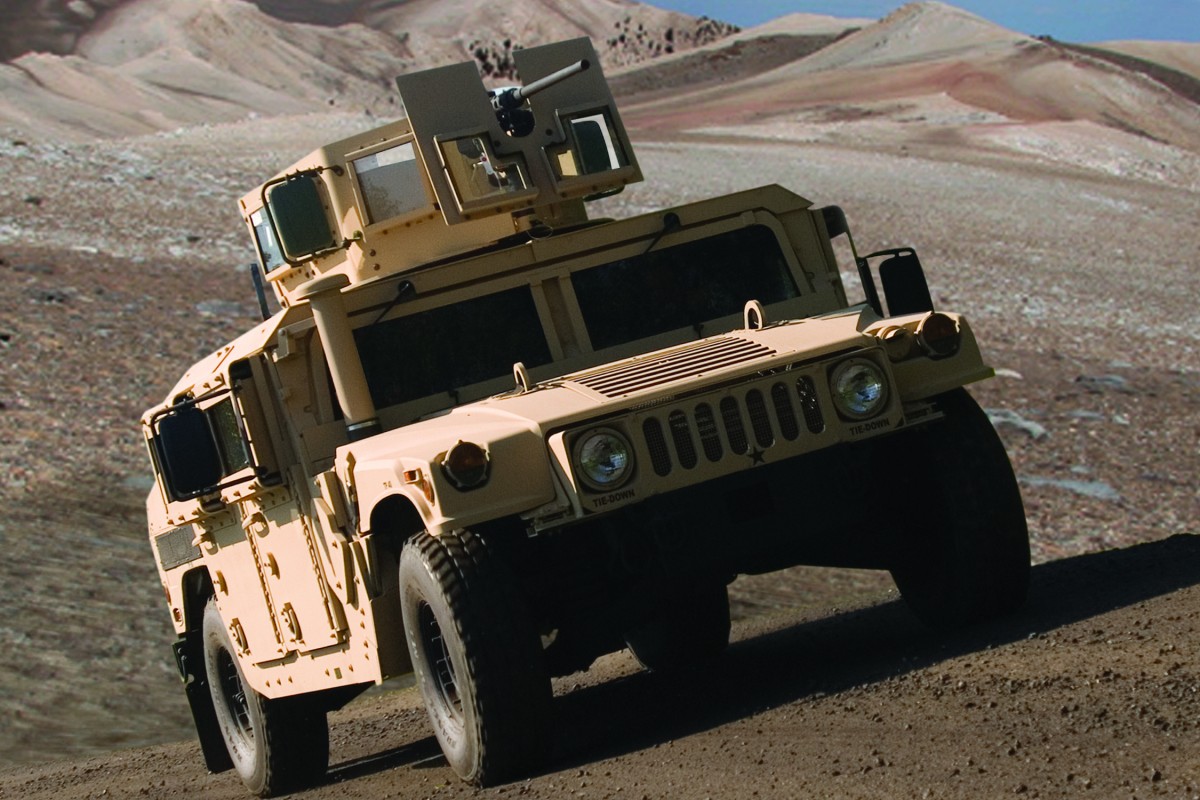
ELECTRIC DRIVE SYSTEMS FOR MILITARY VEHICLES
INTRODUCTION:
- Electric drive system for military vehicles refers to the use of electric motors and related technologies to propel military Land vehicles, replacing traditional internal combustion engines.
- These systems are designed to meet the unique requirements of military operations, including mobility, stealth, durability, and sustainability in harsh environments.
- With advancements in energy storage and electric propulsion technologies, military forces are increasingly exploring electric drive systems as a way to enhance vehicle performance while reducing logistical dependencies.
HOW ELECTRIC DRIVE WORKS IN MILITARY APPLICATIONS
Electric drive systems convert electrical energy into mechanical motion. A generator or battery supplies electricity to an electric motor. The motor then drives the wheels or tracks of the vehicle.
COMPONENTS PROCESS
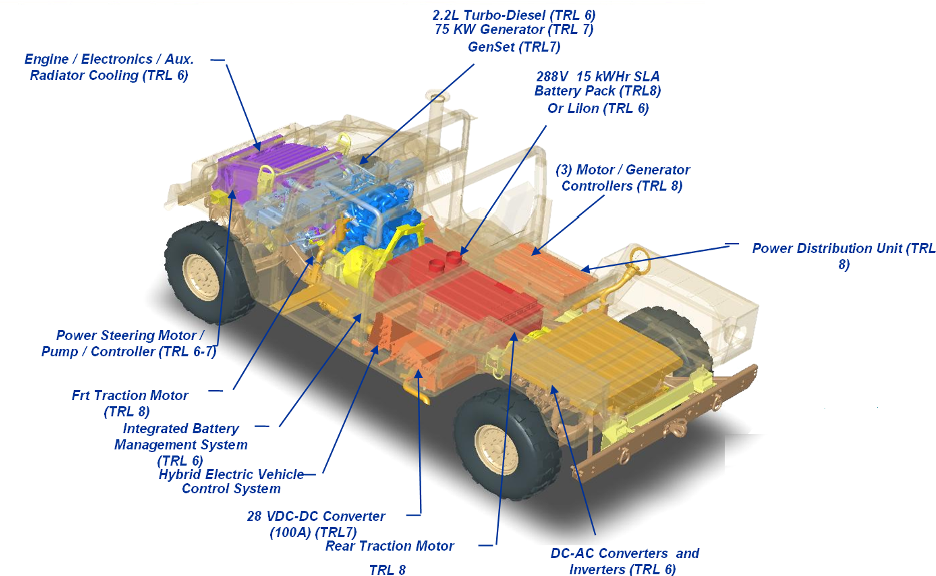
Battery generator – Electricity generated or stored
Electric motors – Motor converts electricity to motion
Control system – Control system manages the power
KEY TECHNOLOGIES ENABLING ELECTRIC DRIVE
Several technologies make electric drive viable for military use. These include advanced batteries and efficient electric motors. Also, power electronics play a crucial role.
ADVANCED BATTERIES:
Lithium-ion batteries offer high energy density.
EFFICIENT MOTORS:
Permanent magnet motors improved efficiency.
POWER ELECTRONICS:
Control system manages power flow precisely.
ADVANTAGES OF ELECTRIC DRIVE IN MILITARY VEHICLES:
Electric drive offers several key benefits for military vehicles. These include reduced noise and lower thermal signature. Also, improved fuel efficiency and reduced emissions are advantages.
- STEALTH:
Reduced noise and thermal signature make vehicles harder to detect.
- PERFORMANCE:
Instant torque improves acceleration and maneuverability.
- INCREASED FUEL EFFICIENCY:
Electric drive can improve fuel efficiency and reducing logistics burden.
DISADVANTAGES OF ELECTRIC DRIVE:
1. Limited Range and Endurance
- Battery Life: Electric vehicles (EVs) typically have a limited range compared to traditional internal combustion engine (ICE) vehicles.
2.Longer Refueling/Charging Times
- Slower Recharging: Charging an electric vehicle takes significantly longer than refueling a traditional gas-powered vehicle. In a combat or high-pressure environment, the time it takes to recharge could be a critical disadvantage, especially if charging stations are not readily available or if vehicles need to be operational quickly.
- Battery Degradation: Over time, batteries degrade, which can reduce the vehicle’s range and performance. Military vehicles operating in extreme conditions could see accelerated degradation due to high temperatures, moisture, or rough terrain.
3.Power Source and Dependency
- Grid Dependency: Charging electric military vehicles requires a reliable power source, and in combat or remote settings, access to the power grid could be limited. In case of power outages, damaged grids, or field operations far from power sources, electric vehicles might be rendered useless until recharged.
- Vulnerability to Attacks: Military electric vehicles could be more vulnerable to power grid attacks or supply chain disruptions, which could cripple the vehicle fleet’s ability to operate effectively.
FUTURE TRENDS AND DEVELOPMENT OF ELECTRIC DRIVE MILITARY VEHICLES:
Future development focuses on improving battery technology. Also ,research continues on faster charging methods. Wireless charging etc. The future of electric drive systems for military vehicles is poised for significant development driven by advances in technology, environmental considerations, and strategic requirements. Several key trends and developments are emerging, including:
1. Increased Electrification of Military Vehicles
As energy security, emissions reduction, and performance improvements become more important, military organizations are adopting electric drive systems for a wider range of vehicles. This includes ground vehicles like armored personnel carriers, trucks, and tanks, as well as air and naval platforms.
2. Improved Energy Density and Efficiency
Future electric drive systems will benefit from advances in energy storage technologies, leading to longer ranges, faster charging times, and reduced weight. Some potential breakthroughs include:
1)Solid-State Batteries
2)Advanced Supercapacitors
3)Vehicle-to-Grid (V2G) Technologies:
3.Advanced Charging Infrastructure
For electric military vehicles to be effective in the field, robust and flexible charging infrastructure is critical. Military forces are exploring new methods to quickly recharge electric vehicles on the battlefield, even in remote locations.
- Mobile Charging Stations: Portable or mobile charging stations will be integrated into military logistics systems, enabling faster deployment of charging solutions to forward operating bases.
- Inductive Charging: This wireless charging technology could allow vehicles to charge while moving over specific tracks or pathways, reducing downtime and increasing operational efficiency.