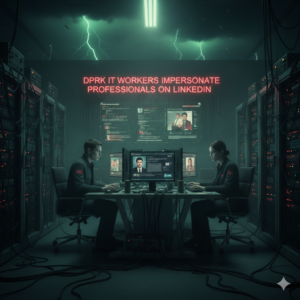
Global / Cybersecurity — A new wave of identity fraud linked to North Korean (DPRK) IT workers is raising alarms among hiring managers and security experts worldwide. According to recent reports, operatives tied to the Democratic People’s Republic of Korea have been posing as legitimate professionals on LinkedIn and other remote‑work platforms, using stolen or fabricated identities to land high‑skill jobs and access sensitive systems.
Sophisticated Impersonation Tactics
Rather than relying solely on entirely fabricated personas, North Korean operatives are now impersonating real professionals using LinkedIn accounts — a tactic that makes them appear much more credible during early hiring checks. This evolution from synthetic profiles to co‑opted real identities enables them to bypass preliminary vetting and present themselves as highly qualified IT candidates.
The goal behind these operations isn’t simply employment. Multiple cybersecurity investigations have linked such schemes to wage theft, credential harvesting, and contributing revenue streams for the DPRK government, which reportedly withholds up to 90 % of wages earned by workers placed overseas.
Part of a Broader, Long‑Running Campaign
North Korea’s use of remote employment for financial and intelligence purposes has been documented for several years, with threat actors historically using fake names, sham resumes and counterfeit work documents to secure positions at Western tech firms.
Security researchers have also detected efforts showing that DPRK operatives use social engineering to pose as recruiters and entice genuine job seekers into downloading malware or granting access — a tactic aimed at compromising systems and gathering data.
Why This Matters for Employers and Job Seekers
Professional networking and job platforms like LinkedIn have increasingly become vectors for sophisticated identity fraud — especially as remote work makes geographic verification harder. Threat intelligence warns that:
-
Credential misuse: Impersonated profiles enable threat actors to gain access to internal company systems once hired, or even before joining.
-
Revenue diversion: Wages from these remote roles are often channeled back to support sanctioned programs or illicit government activities.
-
Credential harvesting: Fake interviews and onboarding workflows sometimes involve malicious code or social engineering aimed at capturing employer credentials or sensitive information.
Industry and Hiring Precautions
Cybersecurity experts urge organizations and recruiters to tighten verification processes for remote candidates, including comprehensive identity checks, in‑person or video‑verified interviews, and careful validation of professional histories. Experts also recommend monitoring for inconsistencies in employment history or anomalies in geographic claims, which can signal impersonation attempts.
For job seekers on platforms like LinkedIn, best practices include protecting personal information, enabling multifactor authentication, and being cautious about unsolicited recruiter contacts — especially those directing applicants to external sites or unfamiliar workflows.
Looking Ahead
As remote work remains a norm for global tech and IT roles, cybersecurity professionals warn that adversarial abuse — including by state‑linked actors — is likely to become more nuanced and harder to detect. The evolving tactics seen with DPRK IT workers underscore the need for stronger digital identity verification, enhanced threat intelligence, and cross‑platform protections to safeguard both employers and professionals online.