Blockchain technology, renowned for its decentralized and immutable ledger, has emerged as a transformative tool in enhancing cybersecurity measures across various sectors. By integrating blockchain, organizations can bolster data integrity, streamline identity management, and improve transparency, thereby fortifying their defense mechanisms against cyber threats.

TECHNOLOGIES:
Decentralization: By distributing data across a network of nodes, blockchain eliminates single points of failure, making it more resilient to attacks.
Immutability: Once data is recorded on the blockchain, it cannot be altered or deleted without consensus from the network, ensuring data integrity.
Consensus Mechanisms: Blockchain employs consensus algorithms like Proof of Work (PoW) and Proof of Stake (PoS) to validate transactions, ensuring that only legitimate transactions are added to the ledger.
Cryptographic Security: Blockchain uses advanced cryptographic techniques to secure data and transactions, making unauthorized access or tampering extremely difficult.
WORKING:
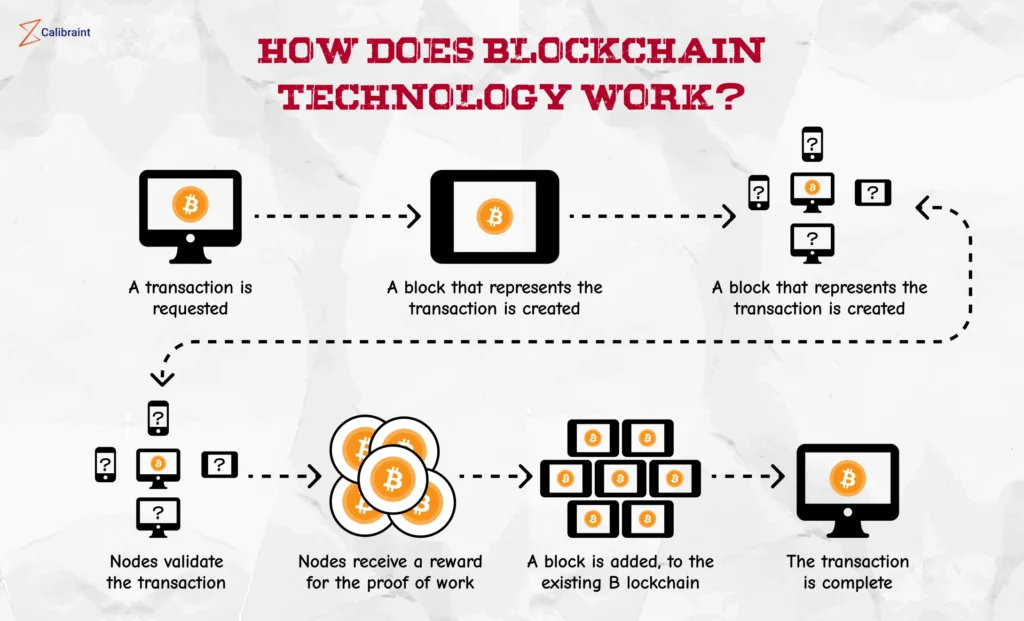
- Immutability:Once data is added to a block, it cannot be easily changed or deleted due to the cryptographic hash that links each block to the previous one, making any alteration readily detectable.
- Decentralization:No single entity controls the blockchain network, which means there is no central point of attack and malicious actors would need to compromise a majority of the network nodes to manipulate data.
- Transparency:All transactions on the blockchain are publicly visible, allowing for easy auditing and verification of data integrity.
- Consensus Mechanism:To add a new block to the chain, a consensus algorithm ensures that a majority of network nodes agree on the validity of a transaction, preventing fraudulent activity.
BLOCK CHAIN USES IN CYBERSECURITY
- Digital Identity Management:Blockchain can be used to create decentralized digital identities where users control their personal information, reducing the risk of identity theft.
- Data Integrity Verification:By recording data on the blockchain, organizations can verify if data has been tampered with, as any modification would result in a different hash value.
- Secure Data Sharing:Sensitive data can be encrypted and stored on the blockchain, allowing for controlled access and audit trails for data sharing between parties.
- Incident Response:Blockchain can be used to record cybersecurity incidents and related evidence in an immutable manner, facilitating faster and more reliable investigations.
ADVANTAGES:
Enhanced Data Integrity: Blockchain’s immutable ledger ensures that once data is recorded, it cannot be altered or deleted without consensus from the network, maintaining the integrity of sensitive information.
Decentralization: Operating on a decentralized network of computers, blockchain eliminates the need for a central authority, reducing the risk of single points of failure and enhancing system resilience.
Transparency: Blockchain’s transparent ledger allows for real-time monitoring of data access and modifications, aiding in the detection of potential cyber threats
Improved Security: Blockchain employs advanced cryptographic techniques to secure data and transactions, making unauthorized access or tampering extremely difficult.
DISADVANTAGES:
Scalability Issues: Blockchain networks can face scalability challenges, particularly in processing a high volume of transactions quickly. This limitation may hinder the adoption of blockchain in environments requiring rapid data processing.
Energy Consumption: Certain blockchain consensus mechanisms, particularly Proof of Work, are energy-intensive, raising concerns about environmental impact and operational costs.
Regulatory and Compliance Concerns: The immutable nature of blockchain poses challenges for data privacy regulations, such as the General Data Protection Regulation (GDPR), which requires the ability to delete personal data upon request. Reconciling blockchain’s features with such regulations remains a complex issue.
Integration Complexity: Integrating blockchain with existing cybersecurity infrastructure can be complex and resource-intensive. Organizations may face challenges in aligning blockchain technology with their current systems and processes.