INTRODUCTION:
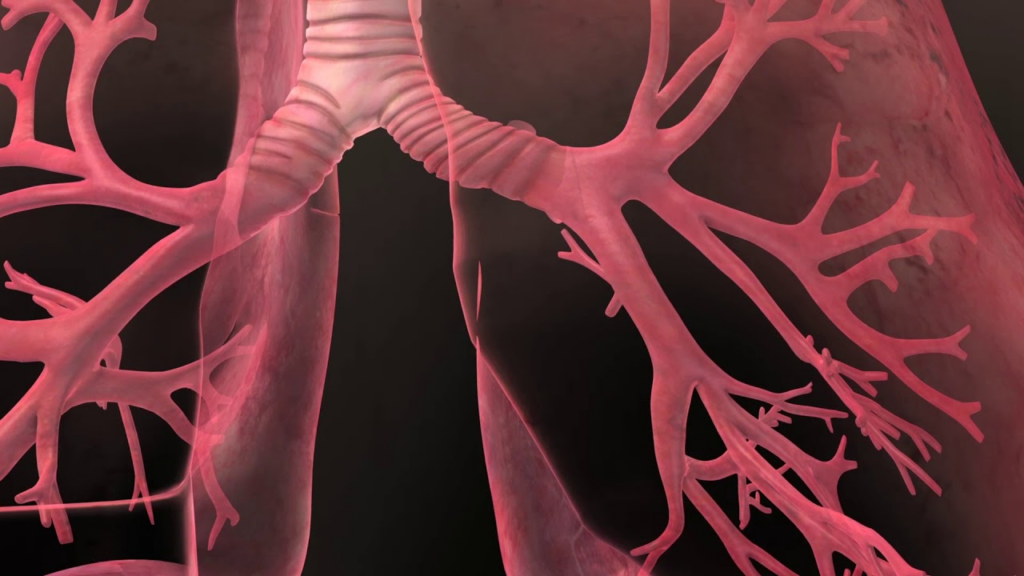
An “advanced respiratory system” refers to a complex system of organs beyond basic breathing, including not only the intake and expulsion of air but also mechanisms for regulating gas exchange, filtering air particles, humidifying air, and maintaining proper lung volumes, often involving specialized structures like alveoli with a large surface area for efficient gas exchange, intricate bronchial branching, and coordinated muscular control for ventilation, allowing for adaptations to different environments and activity levels; essentially, a respiratory system that goes beyond simple inhalation and exhalation to optimize oxygen delivery to the body.
Key aspects of an advanced respiratory system:
- Structure:
- Upper respiratory tract: Nose, pharynx (throat), larynx (voice box) – primarily for air filtration and warming.
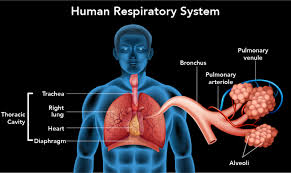
- Lower respiratory tract: Trachea (windpipe), bronchi (large airways branching into lungs), bronchioles (smaller airways), alveoli (tiny air sacs where gas exchange occurs).
- Function:
- Gas exchange: The primary function, where oxygen from inhaled air moves into the bloodstream at the alveoli, and carbon dioxide from the blood diffuses into the lungs to be exhaled.
- Ventilation: The process of moving air in and out of the lungs through muscular contractions of the diaphragm and intercostal muscles.
- Air conditioning: Warming and humidifying air as it enters the respiratory system through the nasal passages.
KEY TECHNOLOGIES:
Advanced respiratory technologies include camera systems, artificial intelligence, and mechanical ventilation.
Camera systems
- Thermal cameras can detect changes in skin temperature related to breathing
- Images can be segmented and analyzed to identify areas of interest
Artificial intelligence
- AI can collect and analyze biosignals like airflow, body temperature, and cough
- AI can provide timely and accurate diagnoses for respiratory illnesses like asthma, COPD, and COVID-19
Mechanical ventilation
- Mechanical ventilation can be used to support breathing in patients who are unable to breathe on their own
- However, mechanical ventilation can also cause diaphragmatic dysfunction
Chest wall palpation
- Chest wall palpation is a tool used to assess patients who are unable to speak
- Palpation can help identify signs of sputum retention, which can feel like crackling or popping under the skin
Other respiratory system technologies: Wearable technologies and Remote technologies.
ADVANTAGES AND DISADVANTAGES OF ADVANCED RESPIRATORY SYSTEM:
n advanced respiratory system, compared to a standard one, would offer advantages like increased oxygen efficiency, better adaptation to extreme environments, and enhanced gas exchange, but potential disadvantages could include increased complexity, potential for malfunction, and higher energy requirements to maintain its function.
Advantages:
- Improved Oxygen Efficiency: Advanced systems could potentially extract more oxygen from the air, allowing for greater physical endurance and performance in low-oxygen environments.
- Enhanced Gas Exchange: Advanced lung structures with larger surface areas or specialized alveoli could facilitate faster and more efficient gas exchange between the blood and air.
- Adaptability to Extreme Environments: Mechanisms to regulate breathing based on altitude or air quality could enable individuals to function better in extreme environments like high mountains or polluted areas.
- Thermoregulation: Advanced systems could potentially help regulate body temperature through controlled breathing patterns or heat exchange mechanisms.
- Reduced Respiratory Stress: Advanced systems could potentially minimize the strain on respiratory muscles during heavy exertion.
Disadvantages:
- Increased Complexity: Advanced respiratory systems with additional features could be more intricate and prone to malfunction compared to a standard system.
- Higher Energy Demand: Maintaining and operating a more complex respiratory system could require additional energy expenditure from the body.
- Potential for Malfunction :Any added complexity in the system could introduce new points of failure, potentially leading to respiratory complications.
- Surgical Challenges: Implementing advanced respiratory systems might require more invasive surgical procedures to install or maintain.
- Ethical Considerations: Modifying the human respiratory system to such a degree might raise ethical concerns regarding the potential for unintended consequences.
USES OF ADVANCED RESPIRATORY SYSTEM:
An advanced respiratory system is primarily used for managing complex lung conditions, including providing supplemental oxygen therapy in cases of respiratory failure, assisting with ventilation through mechanical ventilation, monitoring lung function in critical care situations, and facilitating specialized treatments for conditions like asthma or COPD, often involving inhaled medications and pulmonary rehabilitation programs.
Key uses of an advanced respiratory system:
- Oxygen therapy :Delivering concentrated oxygen to patients with low blood oxygen levels through nasal cannulas, face masks, or tracheal tubes.
- Mechanical ventilation: Using a ventilator to assist or fully manage a patient’s breathing by delivering positive pressure air into the lungs.
- Monitoring lung function: Tracking vital respiratory parameters like lung volumes, airway pressures, and gas exchange through specialized equipment.
- Bronchodilator administration: Delivering medications directly to the airways to relax smooth muscles and improve airflow in conditions like asthma and COPD
- Aerosol therapy: Delivering medications in a fine mist to the lungs to treat conditions like cystic fibrosis
- Pulmonary rehabilitation: Supervised exercise programs designed to improve lung function and exercise tolerance in patients with lung diseases
- Non-invasive ventilation (NIV): Using a mask to provide positive airway pressure to support breathing without requiring tracheal intubation
- Advanced respiratory monitoring: Detailed analysis of breathing patterns and lung mechanics to identify and manage potential complications
Important considerations:
- Patient assessment: Thorough evaluation of a patient’s respiratory status is crucial to determine the appropriate level of respiratory support needed.
- Specialized training: Healthcare professionals utilizing advanced respiratory systems require specific training to operate and interpret data from the equipment.
- Ethical considerations: Decisions regarding the use of advanced respiratory support should be made in consultation with the patient and their family, taking into account the potential benefits and burdens involved.
HOW IT WORKS?
An advanced respiratory system, like that of humans, works by drawing in air through the nose, where it is filtered and warmed, then passing it down the trachea (windpipe) into branching bronchi and bronchioles, ultimately reaching tiny air sacs called alveoli within the lungs; here, oxygen from the air diffuses into the bloodstream while carbon dioxide from the blood moves into the alveoli to be exhaled, with the entire process controlled by the nervous system and muscle contractions, primarily from the diaphragm, allowing for efficient gas exchange throughout the body.
Key components and functions:
- Airway:
- Nasal cavity: Filters and warms incoming air using hairs and blood vessels.
- Pharynx (throat): Passageway for air to move from the nose to the trachea.
- Larynx (voice box): Contains vocal cords for sound production.
- Trachea (windpipe): Main tube conducting air to the lungs, lined with cilia to trap debris.
- Bronchi: Large branches of the trachea that further divide into smaller bronchioles.
- Lungs:
- Alveoli: Tiny air sacs where gas exchange occurs, surrounded by capillaries (tiny blood vessels).
- Muscles involved:
- Diaphragm: Large muscle that contracts to create negative pressure, drawing air into the lungs during inhalation.
- Intercostal muscles: Muscles between ribs that assist in lung expansion during inhalation.
Process of breathing (respiration):
- Inhalation:
- Diaphragm contracts, pulling air into the lungs by creating a vacuum.
- Intercostal muscles contract, lifting the rib cage and further expanding the chest cavity.
- Oxygen from inhaled air diffuses across the alveolar membrane into the blood capillaries.
- Exhalation:
- Diaphragm relaxes, causing the lungs to recoil and push air out.
- Intercostal muscles relax, allowing the rib cage to move down.
- Carbon dioxide from the blood diffuses into the alveoli to be exhaled.
Nervous system control:
- Respiratory center in the brainstem: Monitors blood carbon dioxide levels and sends signals to breathing muscles to adjust breathing rate as needed.
Key points about advanced respiratory systems:
- Efficient gas exchange: The large surface area of the alveoli and the thin capillary walls facilitate rapid diffusion of oxygen and carbon dioxide.
- Air filtration: The nasal cavity removes dust and particles from inhaled air.
- Temperature regulation: Incoming air is warmed by blood vessels in the nasal cavity.
- Vocalization: The larynx allows for sound production through the vocal cords.