

ADAPTIVE CAMOFLAGE INNOVATION
INTRODUCTION
Adaptive camouflage is an innovative technology that allows objects or surfaces to change their appearance to blend into their environment. It mimics the concept of camouflage seen in nature, such as how animals like chameleons, octopuses, and cuttlefish change their color and texture to conceal themselves from predators or prey.
In the context of technology, adaptive camouflage typically involves the use of advanced materials or systems that can detect the surrounding environment and alter their appearance accordingly. The goal is to make objects, particularly military vehicles, clothing, or even buildings, less detectable by altering their color, pattern, and sometimes even texture in real-time.

WORKING OF ADAPTIVE CAMOUFLAGE:
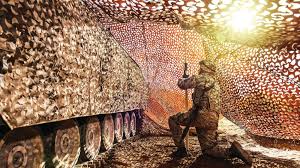
1. Detection of Surroundings
The first step in adaptive camouflage is detecting the environment around the object. This can be done using sensors or cameras that capture the colors, patterns, and even heat signatures of the surroundings.
2. Processing and Analysis
The data gathered from the sensors is then processed by a computer or control system. The system analyzes the visual or thermal properties of the surroundings to determine how the object should change to blend in.
3. Active Camouflage Adjustment
Based on the analysis, the adaptive camouflage system makes adjustments to the surface of the object to match the detected environment.
APPLICATIONS USED IN ADAPTIVE CAMOUFLADGE INNOVATIONS:
- Military:
- To conceal vehicles, troops, and equipment from enemy detection, both visually and with infrared sensors.
- Fashion:
- Clothing that adapts to the environment or changes color to suit a person’s preference.
- Environmental Protection:
- Camouflaging buildings, structures, or machinery to blend with nature.
- Automotive:
- Adaptive camouflage could be used for vehicle design to make cars blend into urban environments or reduce their visibility for safety or stealth.
TECHNOLOGIES USED IN ADAPTIVE CAMOUFLAGE:
1. Electrochromic materials: These materials can change color when a voltage is applied. This allows for the rapid adjustment of colors on the surface of the object.
2. Micro-LEDs: Tiny, energy-efficient LEDs that can display various colors and patterns. These can be embedded in a surface to project patterns matching the
environment.
3. Nanotechnology: Some adaptive camouflage systems use nanostructured materials to change their optical properties, allowing them to bend or reflect light
in ways that make the object less visible.
4. Photonic crystals: These are structures that can manipulate light at a very small scale, allowing for dynamic control over the object’s appearance.
5. Thermochromic materials: These materials change color based on temperature, helping with thermal camouflage.
ADVANTAGES OF ADAPTIVE CAMOUFLAGE INNOVATION:
- Increased Concealment and Stealth: The primary advantage of adaptive camouflage is its ability to enhance concealment. For military applications, this makes vehicles, personnel, and equipment harder to detect, whether through visual observation, infrared, or thermal sensors. This can provide a significant tactical advantage, especially in hostile environments.
- Real-Time Adaptation: Adaptive camouflage can respond in real-time to changing environments. For example, if a vehicle moves from an urban area to a forest, the camouflage system can adjust instantly to match the new surroundings, increasing its effectiveness.
- Minimized Detection by Drones and Sensors: With the rise of drones and sensor-based surveillance, Adaptive camouflage can be used to stay undetected by technology designed to detect the presence of objects, whether by visual, infrared, or other advanced sensor means.
- Customizable for Different Environments: Adaptive camouflage can be tailored to suit specific environments, whether it’s urban, woodland, desert, or even underwater. This adaptability increases its effectiveness in a variety of settings.
DISADVANTAGE OF ADAPTIVE CAMOUFLAGE:
- Complexity and Cost: Building adaptive camouflage systems requires sophisticated technology and materials, which can make them expensive to develop and manufacture. This could limit their accessibility to only high-budget sectors like the military.
- Durability Issues: Some adaptive camouflage technologies might not be as durable as traditional camouflage, especially in harsh environmental conditions. For example, if the camouflage uses materials that change color or texture, they might degrade over time due to exposure to the elements, mechanical wear, or extreme conditions like heat or moisture.
- Limited Camouflage Types: While adaptive camouflage can change colors and patterns, it is still hard to replicate highly complex natural elements, such as lighting changes, shadow play, or minute environmental details like leaves rustling in the wind. Additionally, it may not perfectly mimic textures like tree bark or sand grains, which could make it noticeable up close.