
INTRODUCTION:
A biodegradable plastic is a material designed to decompose naturally over time by microorganisms like bacteria and fungi, breaking down into harmless substances like carbon dioxide and water, essentially mimicking the decomposition process of organic matter, and is often derived from renewable biomass sources like plants instead of fossil fuels; this makes it a more environmentally friendly alternative to traditional plastics.
Key points about biodegradable plastics:
- Mechanism: Microorganisms consume the polymer chains of the plastic, breaking it down into smaller components that can be further utilized by the environment.
- Common types:
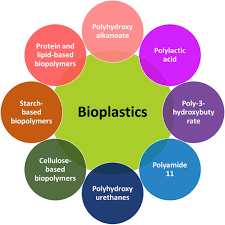
- Polylactic acid (PLA): Derived from corn starch, widely used in packaging.
- Polyhydroxyalkanoates (PHAs): Naturally produced by bacteria, considered a high-performance biodegradable plastic.
- Cellulose-based plastics: Made from plant cellulose fibers, can be modified to create biodegradable materials.
- Compostability: While not all biodegradable plastics are compostable, some can be broken down in a controlled composting environment under specific conditions.
- Environmental benefits:
- Reduces plastic waste in landfills
- Less reliance on fossil fuels due to renewable sources
- Potential to decrease greenhouse gas emissions
- Challenges and considerations:
- Specific conditions required: Biodegradation can vary depending on factors like temperature, humidity, and the presence of appropriate microorganisms.
- Potential for contamination: Improper disposal can hinder the biodegradation process
- Cost and availability: May be more expensive than conventional plastics depending on the region .
KEY TECHNOLOGIES:
Biodegradable plastics are made using a variety of technologies, including bacterial fermentation, direct biomass extraction, and bio-based monomers.
Bacterial fermentation
- Polyhydroxyalkanoates (PHAs)Produced by micro-organisms, such as Cuprividus necator, using sugars from crops
- Polylactic acid (PLA)Produced by fermenting sugars from crops into lactic acid, then polymerizing it
Direct biomass extraction
- Using natural polymers: Alteration of natural polymers like starch, cellulose, pullulan, and proteins
Bio-based monomers
- Fermentation: Monomers are produced from raw materials by fermentation processes, then polymerized
Bio additives
- Help microbes work together to break down a product
Oxo-biodegradable technology
- Recyclable and will degrade without releasing methane
Bio-resins Made by turning sugars into resins.
Biodegradability
- Biodegradability is related to the biochemical interaction between materials and microorganisms
- Lab degradation studies often overestimate natural biodegradability rates
- Colder environments, ecosystem dynamics, and mobility between eco-compartments can hinder biodegradation
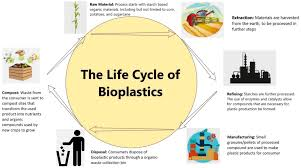
ADVANTAGES AND DISADVANTAGES OF BIODEGRADABLE PLASTICS:
Biodegradable plastics have many advantages, including being made from renewable materials, reducing emissions, and reducing waste. However, they also have some disadvantages, such as being expensive to create and requiring infrastructure to manage them.
Advantages
- Reduce emissions Biodegradable plastics produce fewer emissions than non-biodegradable plastics because they use less energy and fossil fuels during production and recycling.
- Reduce waste Biodegradable plastics break down over time, reducing the amount of waste that ends up in landfills.
- Made from renewable materials Biodegradable plastics can be made from renewable materials like fungi, bacteria, and algae.
- Non-toxic Biodegradable plastics are non-toxic and don’t leach chemicals into the environment.
- Compostable Some biodegradable plastics are compostable, which means they break down quickly.
Disadvantages
- Expensive: Biodegradable plastics can be expensive to create.
- Infrastructure: There may not be enough infrastructure to manage biodegradable plastics.
- Land use: Biodegradable plastics may have land use issues.
- Throw away mindset: Biodegradable plastics may reinforce the throw away mindset.
- Contamination: Biodegradable plastics may be contaminated with pesticides from crops.
UES OF BIODEGRADABLE PLASTICS:
Biodegradable plastics are used in many applications, including food packaging, agriculture, and hygiene. They can be used in a variety of products, including biomedical, structural, electrical, and other consumer products.
Uses of biodegradable plastics
- Food packaging: Biodegradable plastics can replace plastic laminates and foils used in packaging for cereal and confectionary.
- Agriculture: Biodegradable plastics are used in agriculture and horticulture.
- Composting: Biodegradable plastics can be used in composting bags.
- Hygiene: Biodegradable plastics are used in hygiene products.
- Biomedical: Biodegradable plastics are used in biomedical products.
- Structural: Biodegradable plastics are used in structural products.
- Electrical: Biodegradable plastics are used in electrical products.
Benefits of biodegradable plastics
- Reduce emissions: Biodegradable plastics produce fewer carbon emissions than traditional plastic.
- Reduce waste: Biodegradable plastics can help divert waste away from landfills.
- Reduce methane emissions: Biodegradable plastics can help lower methane emissions.
- Use less energy: Biodegradable plastics use less energy during production.
- Compostable: Biodegradable plastics can be composted to produce organic fertilizers and soil.
HOW IT WORKS?
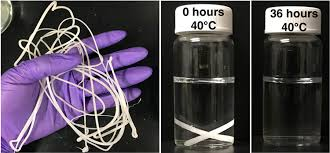
Biodegradable plastics work by being broken down into simpler compounds like water and carbon dioxide by microorganisms, such as bacteria and fungi, under the right conditions like moisture and temperature, essentially acting as a food source for these microbes, allowing them to “digest” the plastic material and leave behind only natural byproducts; this process is called biodegradation.
Key points about biodegradable plastics:
- Chemical structure :Biodegradable plastics are designed with specific polymer chains that contain bonds easily broken down by microbes, often through hydrolysis reactions where water molecules interact with the polymer chain causing it to fragment into smaller pieces.
- Microorganism activity: When exposed to the right environment, microorganisms like bacteria and fungi colonize the plastic surface, secreting enzymes that actively break down the polymer chains into smaller molecules.
- Environmental factors: Optimal conditions like warmth, moisture, and oxygen levels significantly impact the speed of biodegradation.
- Source materials: Many biodegradable plastics are derived from renewable sources like cornstarch, sugarcane, or plant-based oils, making them more environmentally friendly compared to traditional plastics made from fossil fuels.
Common types of biodegradable plastics:
- Polylactic acid (PLA): Made from renewable sources like corn starch, widely used in packaging applications.
- Polyhydroxyalkanoates (PHA): Produced by bacteria, often used in medical implants due to its biocompatibility.
Important considerations:
- Composting requirements: While some biodegradable plastics can break down in a home compost pile, others might require specific industrial composting facilities to achieve complete degradation.
- Labeling and standards: Look for certified labels indicating the plastic is truly biodegradable and compostable to ensure proper disposal.
- Environmental impact: While biodegradable plastics offer potential benefits, their production and disposal methods still need to be carefully managed to minimize environmental impacts.