
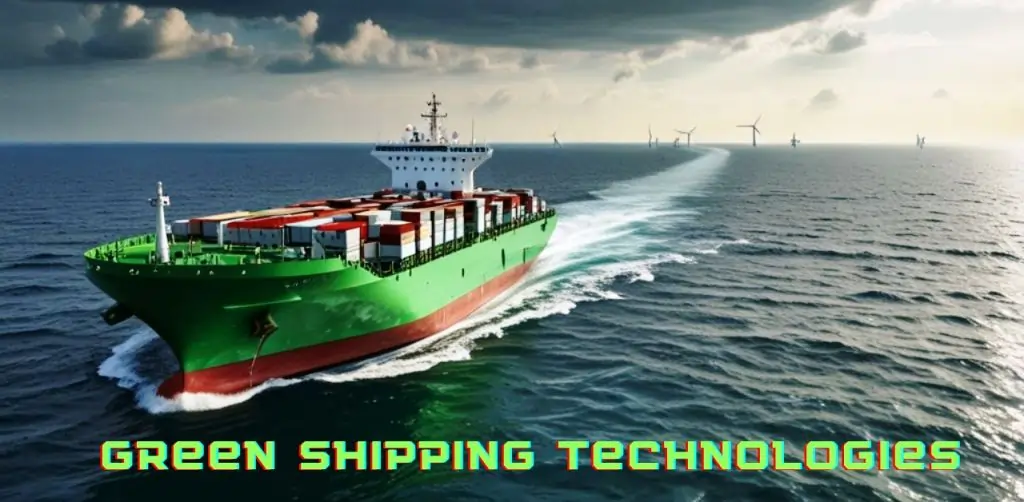
Green shipping technologies aim to reduce the environmental impact of the shipping industry by promoting sustainability, energy efficiency, and reduced emissions. Shipping is a vital part of global trade, but it has traditionally been one of the most polluting industries, contributing to air pollution, carbon emissions, and ocean degradation. In response to growing environmental concerns and regulatory pressure, the industry is adopting innovative technologies to make shipping more eco-friendly.Green shipping technologies aim to reduce the environmental impact of the shipping industry by promoting sustainability, energy efficiency, and reduced emissions. Shipping is a vital part of global trade, but it has traditionally been one of the most polluting industries, contributing to air pollution, carbon emissions, and ocean degradation. In response to growing environmental concerns and regulatory pressure, the industry is adopting innovative technologies to make shipping more eco-friendly.
TECHNOLOGIES AND HOW IT WORKS:
1.Alternative Fuels
Alternative fuels are essential for reducing the reliance on traditional marine fuels like heavy fuel oil, which contributes to greenhouse gas emissions and air pollution. These technologies enable ships to reduce carbon emissions and adhere to environmental regulations.
How It Works:
- Liquefied Natural Gas (LNG): LNG is a cleaner alternative to conventional marine fuels. It burns more efficiently, producing lower levels of CO2, no sulfur oxides (SOx), and significantly fewer nitrogen oxides (NOx) and particulate matter. Ships use LNG-powered engines to combust LNG, producing energy to power the vessel.
- Biofuels: Derived from renewable biological sources like algae, waste oils, or crops, biofuels reduce the carbon footprint because the CO2 released during combustion is offset by the CO2 absorbed during their production. Biofuels can be used in existing diesel engines with little modification.
- Hydrogen: Hydrogen fuel produces zero emissions when burned or used in fuel cells, with the only byproduct being water vapor. Hydrogen can be stored onboard in tanks and used in hydrogen fuel cells to produce electricity that powers electric motors or generators on the ship.
- Ammonia: Ammonia (NH3) is a promising zero-carbon fuel. When used in internal combustion engines or fuel cells, it does not produce CO2 emissions. Ammonia must be stored at low temperatures or under high pressure on ships, and the engine or fuel cell must be optimized for ammonia combustion.
- Wind-Assisted Propulsion: Modern ships can be equipped with wind sails or rotors that capture wind energy to reduce reliance on traditional fuel-based propulsion. Flettner rotors, for example, use the Magnus effect, where rotating cylinders generate lift to assist in forward motion.
2. Energy-Efficient Propulsion Systems
These propulsion technologies help reduce fuel consumption, thus lowering carbon emissions. They optimize energy use and improve ship performance, both in terms of speed and fuel efficiency.
How It Works:
- Air Lubrication Systems: These systems create a layer of air bubbles between the ship’s hull and the water, reducing friction. The bubbles create a slippery surface that allows the ship to glide more smoothly through the water, reducing the power required for propulsion and improving fuel efficiency.
- Energy-Saving Devices: Devices like ducted propellers, wing sails, or Flettner rotors improve the hydrodynamic efficiency of a ship. These devices reduce the energy required to propel the ship by optimizing water flow around the hull and propeller.
- Hybrid Propulsion: Hybrid systems combine traditional fossil-fuel engines with electric motors or battery power. In hybrid ships, the electric motor can power the vessel at low speeds, such as in ports, reducing emissions during these phases. The engine switches to traditional fuel for higher-speed open-ocean travel.
- Electric Propulsion: Ships can be powered by electric motors, either through batteries or fuel cells, for short trips or for auxiliary functions. Battery-powered ships are commonly used for short distances, while fuel-cell-powered vessels can generate electricity from hydrogen.
- Variable-Speed Engines: Modern ships feature engines that can adapt to the ship’s operational needs by adjusting their speed and fuel consumption based on the required power. This ensures the engine operates at optimal efficiency, reducing fuel waste.
3. Carbon Capture and Storage (CCS)
This technology focuses on capturing carbon dioxide (CO2) emissions directly from ship exhaust gases and either storing it or using it for other industrial purposes, reducing the impact of CO2 emissions on the environment.
How It Works:
- Exhaust Gas Cleaning Systems (Scrubbers): Scrubbers are installed on ships to reduce sulfur and particulate matter in exhaust gases. Open-loop scrubbers use seawater to neutralize sulfur compounds, while closed-loop scrubbers use freshwater that can be treated for reuse. Although these scrubbers don’t capture CO2 directly, they reduce harmful pollutants in emissions.
- CO2 Capture Technology: Some ships are being equipped with CO2 capture systems that capture CO2 emissions from exhaust gases. These systems use a chemical process to absorb CO2, which is then either stored onboard or transported for long-term storage or industrial use, such as for carbonated beverages or enhanced oil recovery.
4. Hull Modifications and Eco-Designs
Ship design plays a crucial role in improving energy efficiency and reducing fuel consumption. Innovative designs and modifications to ship hulls improve their hydrodynamic properties, reducing drag and energy loss.
How It Works:
- Hull Shape Optimization: Ship hulls are designed to minimize water resistance. Modern hulls are more streamlined, reducing drag as the vessel moves through the water. Materials like lightweight composites and advanced coatings help further reduce weight and drag.
- Anti-Fouling Coatings: Ships are coated with anti-fouling paints to prevent marine organisms (like barnacles and algae) from attaching to the hull. This prevents additional drag from these organisms and helps maintain fuel efficiency.
- Bubble Air Lubrication: This system injects air bubbles beneath the hull to reduce friction between the ship’s surface and the water, allowing the ship to glide more smoothly and use less fuel.
5. Renewable Energy Integration
Renewable energy sources, such as wind and solar, are increasingly being used to power ships. These technologies provide supplemental power, reducing the need for fossil fuel consumption.
How It Works:
- Solar Panels: Solar power can be used to run auxiliary systems on ships, such as lighting, refrigeration, and air conditioning, reducing the load on the main engine. Solar energy is captured by photovoltaic panels installed on the ship’s roof or other exposed areas.
- Wind-Assisted Propulsion: As mentioned earlier, ships can integrate wind sails, rotors, or kites to harness natural wind power. These systems reduce reliance on fuel by using wind to assist with propulsion. For example, Flettner rotors rotate at high speeds to generate lift, propelling the ship forward.
6. Smart Shipping and Digitalization
Digital technologies, such as big data, artificial intelligence (AI), and autonomous systems, are being used to optimize shipping operations, reducing fuel consumption and improving sustainability.
How It Works:
- Big Data and Analytics: Ships collect real-time data on speed, fuel usage, weather conditions, and route optimization. This data is processed by advanced analytics platforms, which provide insights into how to adjust operations to save fuel, reduce emissions, and increase efficiency.
- Autonomous Shipping: Autonomous ships use AI-powered navigation systems to optimize routes and speeds. By avoiding traffic congestion, adjusting to weather conditions, and minimizing unnecessary detours, autonomous ships can reduce fuel consumption and improve efficiency.
- Fleet Management Systems: Shipping companies use centralized fleet management platforms that track fuel consumption, emissions, and other performance metrics of multiple vessels. These systems optimize operations, improve fuel efficiency, and ensure vessels are operating at their most sustainable.
7. Shore Power (Cold Ironing)
When ships are docked at ports, they often rely on auxiliary diesel engines for power, which generates emissions. Shore power allows ships to plug into the port’s electrical grid, using clean energy rather than burning fuel.
How It Works:
- Shore Power: Ships connect to the port’s power supply system, which provides electricity to operate their systems while at the dock. This eliminates the need to run onboard generators, reducing emissions and energy consumption during port stays.
IMPACT:
- Reduced Greenhouse Gas Emissions:By minimizing fuel consumption and transitioning to cleaner fuels, green shipping technologies significantly decrease carbon dioxide emissions.
- Improved Air Quality:Lower emissions from ships contribute to cleaner air, especially in port areas.
- Enhanced Sustainability:Promotes a more environmentally responsible shipping industry, aligning with global sustainability goals.
CHALLENGES:
- High Initial Costs:Implementing new green technologies often requires significant upfront investments, which can be a barrier for shipping companies.
- Infrastructure Limitations:Lack of sufficient refueling stations for alternative fuels like LNG and hydrogen, especially in remote areas.
- Regulatory Complexity:Navigating complex and evolving international regulations regarding emission standards can be challenging.
- Technology Adoption Barriers:Older vessels may not be easily retrofitted with new green technologies.
- Range and Performance Concerns:Some alternative fuels might have limitations in terms of energy density and range, impacting operational flexibility.
- Supply Chain Integration:Ensuring the availability of sustainable fuels across the entire shipping network.