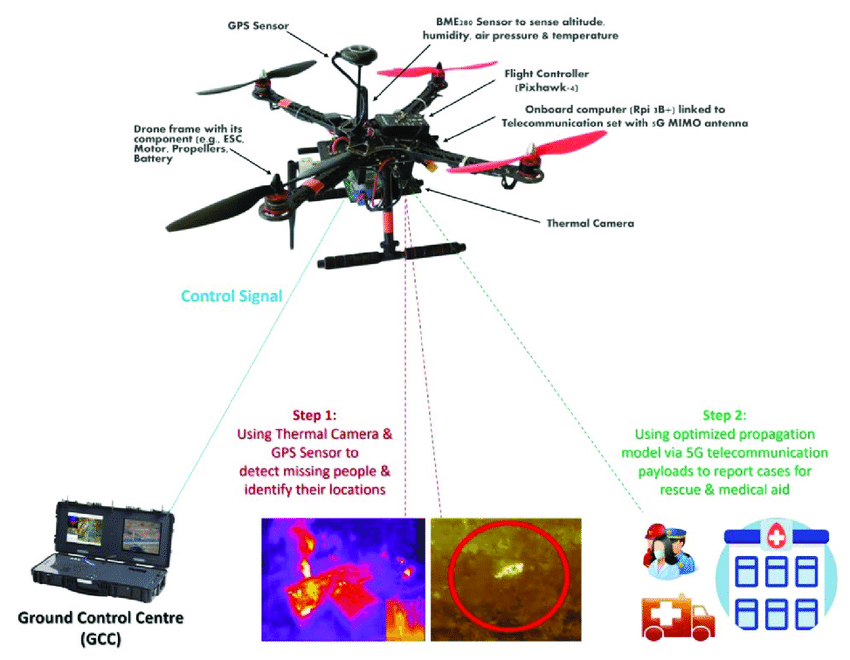
Aquatic drones, also known as water-based drones or marine drones, have become an essential tool for Search and Rescue (SAR) operations, particularly in maritime and water-related emergencies. These drones are designed to operate on water, either by floating on the surface or submerging, and are often equipped with sensors, cameras, and other technologies that aid in locating and rescuing people in distress. Aquatic drones can be used in a variety of SAR missions, including boat capsizes, natural disasters (such as floods or tsunamis), and drowning incidents.
TECHNOLOGY USED:
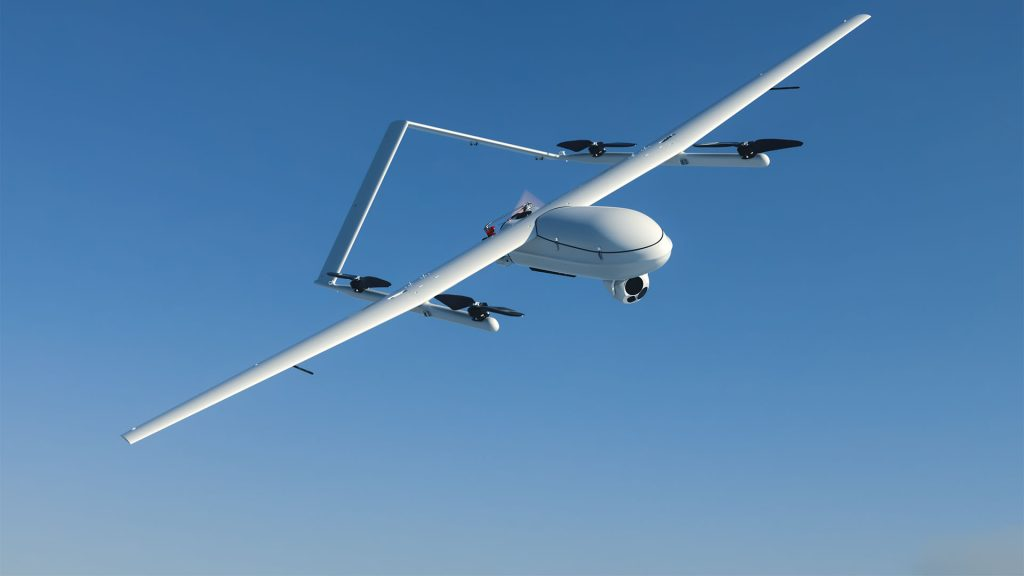
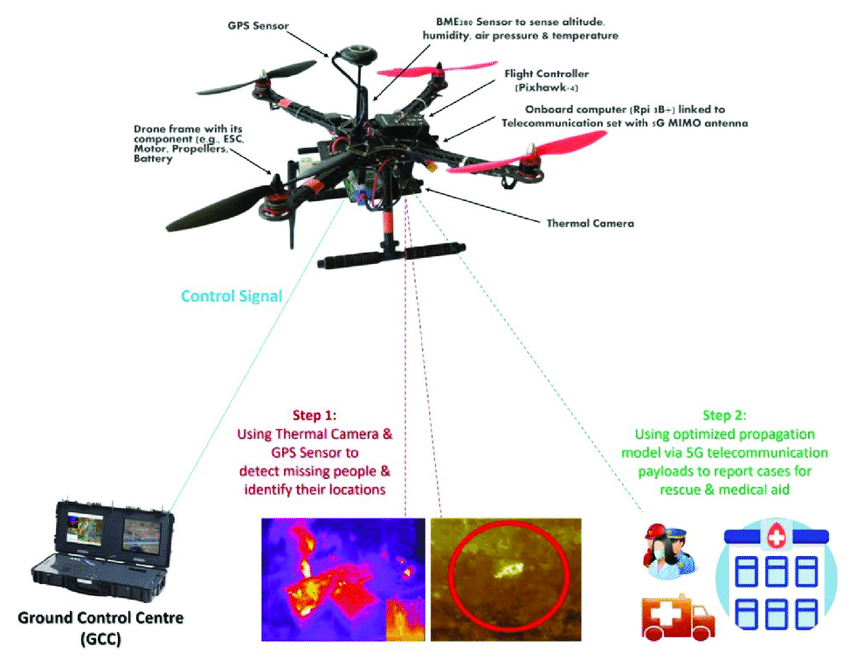
Thermal imaging
Detects heat signatures from people, helping to locate them in low visibility conditions 
Useful at night or in difficult terrain 

LiDAR 
Generates precise 3D maps of search areas
Helps to identify hazards like chemical spills, fires, or unstable terrain

GPS 
Helps to pinpoint locations
Can be used to analyze patterns and trends in shark behavior

AI 
Analyzes data, recognizes patterns, and identifies human shapes
Cross-validates detections from other sensors, reducing false positives
Analyzes environmental factors like temperature, humidity, air quality, and terrain conditions

HOW IT WORKS:
ADVANTAGE:
Rapid Deployment: Aquatic drones can be deployed quickly and efficiently in maritime or flood rescue situations, often without the need for human intervention.
Access to Dangerous or Hard-to-Reach Areas: These drones can navigate through hazardous or difficult-to-reach environments, such as stormy seas, flooded areas, or in situations where human rescuers would face risks (e.g., rough waters, debris-filled zones, or underwater).
Continuous Operation: Aquatic drones can operate continuously for extended periods without the need for breaks, allowing them to conduct prolonged search operations in large areas..
Real-Time Data and Live Video Feeds: Many aquatic drones are equipped with cameras and sensors that transmit real-time data and live video feeds back to SAR teams.
Versatility: Aquatic drones can be designed for a wide variety of SAR missions, from locating and identifying survivors in the water to retrieving equipment or sending distress signals.
Lower Cost and Risk: They are less expensive to operate and maintain and can be used in situations where sending human rescuers might not be safe or feasible.

DISADVANTAGE:
Limited Range and Battery Life: Aquatic drones still face limitations in terms of battery life, especially during long SAR operations. Once the battery runs out, the drone must be retrieved and recharged, which could delay ongoing rescue efforts.
Weather and Environmental Constraints: Aquatic drones can be affected by extreme weather conditions such as heavy rain, strong winds, high waves, or rough currents. These environmental factors could compromise the drone’s effectiveness, stability, and operational range.
Operational Depth Limitations: Some aquatic drones have limitations in terms of their depth capacity.
Communication Challenges: Communication between aquatic drones and the operators can be limited, especially in deep water or in areas with heavy electromagnetic interference.
Vulnerability to Malfunctions or Hacking: Like all technology, aquatic drones are prone to malfunctions, equipment failure, or even cyberattacks if not properly secured.
Training and Expertise Requirements: SAR teams need to be properly trained to operate and maintain aquatic drones.