
INTRODUCTION:
Naval power systems are the systems that provide power to naval ships, including the propulsion, energy, and distribution systems. The Navy has been investing in advanced naval power systems for decades. A “Naval Power System” refers to the integrated network of energy generation, distribution, and management systems on a naval vessel, encompassing propulsion machinery, electrical systems, and auxiliary power sources, allowing the ship to operate effectively at sea by providing power for all its functions including movement, weapons, communication, and onboard systems.
KEY TECHNOLOGIES :
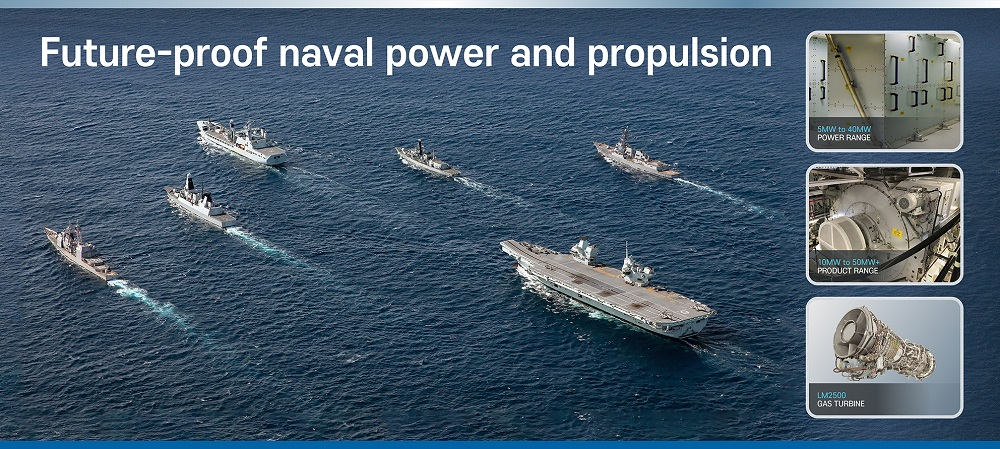
Naval power systems use technologies like electric motors, batteries, and power electronics to provide power to ships. These technologies are helping to make ships more autonomous and efficient.
Power sources
- Batteries, flywheels, and capacitors: These technologies are used in energy storage systems.
- Gas turbines and diesel generators: These can generate electricity to power electric motors.
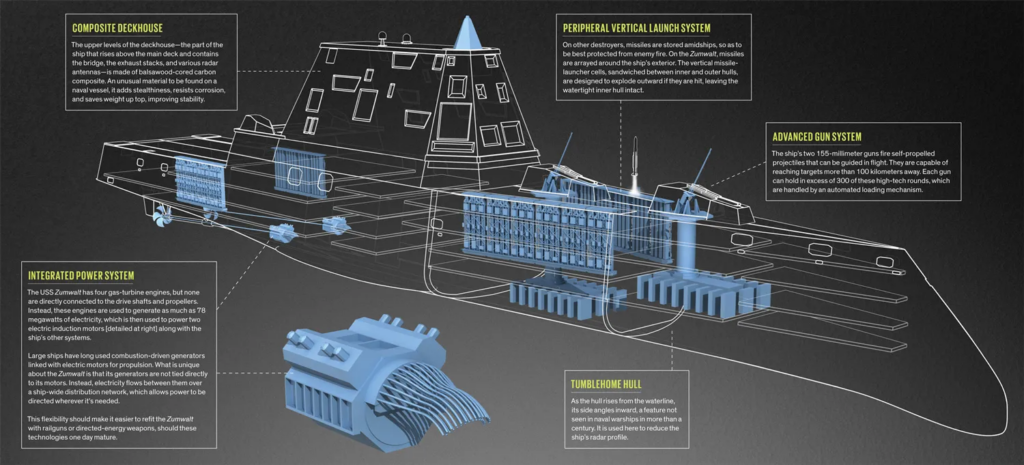
- Electric integrated power systems (IPS): These systems use diesel engines to power electric generators that power the ship’s systems.
Power distribution
- Ship’s electric grid This grid can connect different energy sources, like batteries, and has advanced automation and control systems.
- Integrated Power and Energy System (IPES)This system uses integrated energy storage and power to provide power for propulsion and mission loads.
Other technologies
- Hybrid electric drive (HED): This system combines traditional turbine engines with a diesel-driven electric motor.
- Electric transmission: This system uses electric transmission instead of mechanical transmission.
ADVANTAGES:
A naval power system provides several key advantages, including the ability to project force across vast maritime areas, protect vital trade routes, deter potential aggression, conduct humanitarian operations, and contribute to a nation’s overall strategic influence, particularly by controlling access to critical sea lanes and coastal regions; essentially acting as a critical component of a nation’s defense and economic security.
DISADVANTAGES:
Disadvantages of a naval power system include: high cost of maintaining and building ships, vulnerability to land-based threats, limited ability to directly influence land operations, reliance on sea lines of communication, susceptibility to weather conditions, potential for environmental damage, and the strategic challenge of projecting power across large distances; making it difficult to effectively control land-based conflicts in certain situations.
USES OF NAVAL POWER SYSTEM:
Naval power systems support naval operations by providing power for propulsion, sensors, weapons, and other ship systems. They also help with power sharing between different ship functions and users.
Uses of naval power systems
- Propulsion: Power naval ships to move through water
- Sensors: Power sensors that help detect and track other ships, submarines, and aircraft
- Weapons: Power weapons systems, such as missiles and gun batteries
- Ship systems: Power other ship systems, such as navigation, communication, and fire control
- Power sharing: Share power between different ship functions and users
- Future technology: Enable the integration of new technologies, such as batteries and other power sources
- Automation: Support more autonomous and smart ship operations
Naval power systems are designed to meet the unique challenges of maritime environments. They are also designed to be flexible, scalable, and maintainable.
Naval power systems examples
- Naval electric motors and generators
- Switchboards
- Power converters
- Advanced automation, control, and power management systems
HOW IT WORKS?
A naval power system typically generates electricity through a primary power source, like a diesel engine or a nuclear reactor, which then powers electric motors to drive the ship’s propeller, with advanced systems often including features like integrated power management to optimize energy usage across different onboard systems depending on the vessel’s needs; essentially, it’s an electric propulsion system where the power source is converted into electricity to drive the ship’s movement, offering flexibility and efficiency compared to traditional mechanical systems.